What Does a Typical Day of “Unconscious” Spending Look Like for You?
Typical Day of “Unconscious” Spending Look Like– In today’s fast-paced, tech-driven world, spending money has never been easier—or more automatic. From one-click checkouts to auto-renewing subscriptions, many of us spend without even realizing it. This behavior, known as unconscious spending, can quietly drain your finances and impact your long-term financial well-being.
So what does a typical day of unconscious spending actually look like? Let’s break it down.

What Is Unconscious Spending?
Unconscious spending refers to habitual or impulsive purchases made without deliberate thought. These are small, convenient transactions that often go unnoticed—but over time, they add up significantly.
Common examples include:
- Subscriptions you rarely use
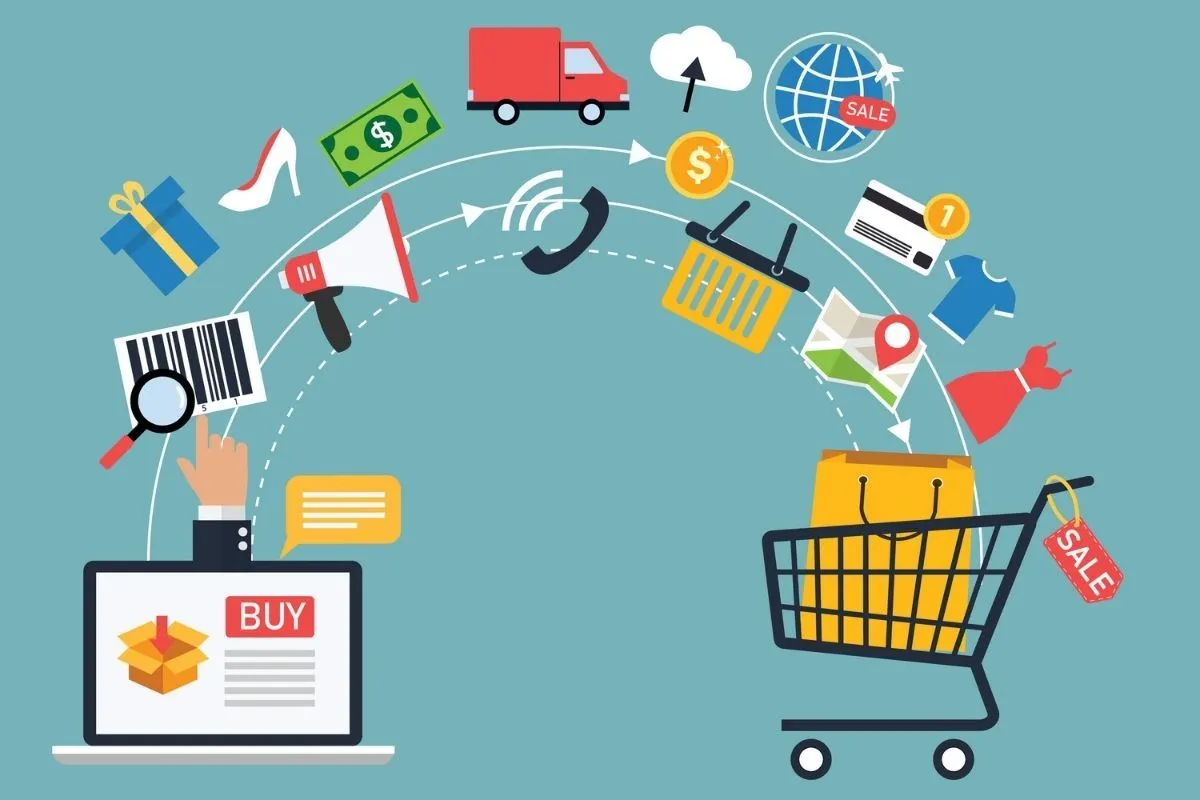
- Impulse purchases during online shopping
- Adding extra items to qualify for “free shipping”
- Paying with credit cards without tracking expenses
With digital payments and automation, it’s easier than ever to lose track of where your money is going.
A Day in the Life of Unconscious Spending
Morning: Convenience Comes First
You start your day by ordering coffee through an app instead of making it at home. It’s quick, easy, and feels harmless. But doing this daily can cost hundreds over time.
Midday: Small Add-Ons
During lunch, you order food online and add a dessert or drink just to hit the minimum for free delivery. It seems like a good deal—but you’re spending more than planned.
Afternoon: Subscription Drain
You receive a notification about a subscription renewal. Maybe it’s a streaming service or fitness app you barely use—but you let it renew anyway because canceling feels like a hassle.
Evening: Mindless Scrolling, Mindless Spending
While browsing online, you come across a flash sale. With just one click, you’ve made a purchase you didn’t plan for—simply because it was “too good to miss.”
Night: Pay Now, Think Later
You use your credit card for most purchases, delaying the feeling of spending real money. By the time your statement arrives, the total may surprise you.
Why Unconscious Spending Is So Dangerous

The biggest issue with unconscious spending is that it flies under the radar. You don’t feel the impact immediately, but over weeks and months, it can:
- Reduce your savings
- Increase credit card debt
- Create financial stress
- Delay your long-term goals
As financial experts often point out, technology has made spending frictionless—but that convenience comes at a cost.
How to Take Back Control of Your Money
The good news? You don’t need drastic lifestyle changes to fix unconscious spending. Small, consistent actions can make a big difference.
1. Track Your Expenses
Start by reviewing your monthly bank or credit card statements. This helps you understand exactly where your money is going.
2. Cut Unused Subscriptions
Audit your recurring expenses and cancel anything you no longer use. Even small monthly fees can add up over time.
3. Plan Before You Spend
Create a shopping list and stick to it. For bigger purchases, apply the 30-day rule—wait before buying to see if you still need it.
4. Pay Yourself First
As soon as you receive your income, allocate money for essentials and savings. This ensures your priorities are covered before discretionary spending.
5. Align Spending with Your Goals
Ask yourself: Does this purchase support my long-term financial goals? If not, reconsider.
Final Thoughts
Unconscious spending is a silent habit that affects many people—especially in a world where convenience is king. A typical day filled with small, automatic purchases might not seem harmful, but over time, it can significantly impact your financial health.
By becoming more mindful and intentional with your money, you can regain control, reduce stress, and build a stronger financial future.
Remember: It’s not about spending less—it’s about spending smarter.