

Salary Increased but Your Bank Balance Didn’t: What’s Really Going On?
Salary Increased but Your Bank Balance Didn’t– You finally got a raise—great news. But a few months later, your bank account looks… exactly the same. Sound familiar? You’re not alone.
While it may feel like a personal finance mystery, the explanation often lies in a mix of behavioral habits and underlying financial mechanics—some of which are surprisingly similar to how businesses manage something called salaries payable.
Let’s break it down in a simple, practical way.

What Is “Salaries Payable” (and Why It Matters to You)
In accounting, salaries payable is a current liability—the money a company owes employees for work already done but not yet paid. It includes wages, bonuses, and other compensation that will soon be paid out.
For example, if a company owes employees $40,000 in unpaid wages at the end of a pay period, that amount appears as a liability on the balance sheet.
While this sounds like a corporate concept, it reveals something important:
👉 Timing and management of money matter just as much as how much you earn.
Salaries Payable vs. Salaries Expense
Understanding this distinction can help you see your own finances more clearly:
- Salaries Expense: The income you earn during a period
- Salaries Payable: The income you haven’t received yet
In personal finance terms, this is similar to:
- Money you’ve earned vs.
- Money that has actually hit your bank account
Even with a higher salary, if your expenses rise just as quickly, your “net effect” stays the same.
So Why Doesn’t Your Bank Balance Grow?
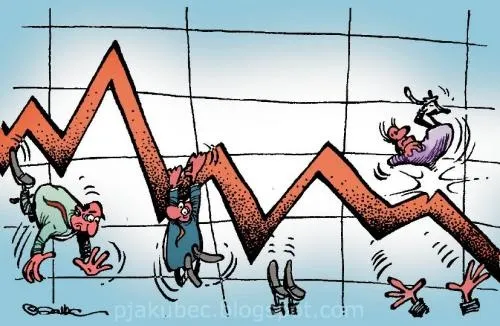
Here are the most common reasons:
1. Lifestyle Inflation
When your salary increases, your spending often follows. You upgrade your lifestyle—better food, nicer clothes, more subscriptions—without realizing it.
👉 Result: More income, but also more expenses.
2. Poor Cash Flow Awareness
Just like businesses track liabilities, you need to track where your money goes.
If you don’t monitor spending, small daily expenses can quietly erase your raise.
3. Irregular or Delayed Payments
Bonuses, commissions, or overtime may not arrive consistently, making your income feel unstable—even if your salary increased.
4. Hidden Financial Obligations
Debt repayments, insurance, taxes, or family responsibilities can absorb extra income before you even notice it.
5. Lack of Financial Planning
Without a clear plan, extra income gets spent instead of saved or invested.
What Businesses Do Right (That You Can Copy)
Companies actively manage salaries payable to stay financially healthy. You can apply similar strategies:
1. Track Every Expense
Just like payroll records, you should monitor all spending—no exceptions.
2. Stick to a Payment System
Businesses follow strict payroll schedules. You should:
- Set fixed saving dates
- Automate transfers to savings/investments
3. Control Cash Flow
A company ensures it has enough cash to pay employees. You should:
- Build an emergency fund
- Avoid overspending before payday
4. Use Financial Tools
Companies use accounting systems. You can use:
- Budgeting apps
- Expense trackers
- Banking alerts
5. Plan Before You Spend
Businesses allocate budgets carefully. You should:
- Decide how to use your raise before it arrives
- Apply rules like 50/30/20 (needs/wants/savings)
What Happens If You Ignore This?
Failing to manage your money—just like a company ignoring salaries payable—can lead to:
- Constant financial stress
- No savings despite higher income
- Growing debt
- Reduced financial security
In extreme cases, it can feel like you’re working harder but getting nowhere.

Final Thoughts
A salary increase doesn’t automatically mean financial progress. What matters is how you manage the gap between income and spending.
Think like a business:
- Track your “cash flow”
- Control your “liabilities”
- Plan your “investments”
Because at the end of the day, it’s not about how much you earn—it’s about how much you keep.