
One Year Without Investing: How Much Money Did I Miss Out On?
One Year Without Investing- Have you ever wondered how much money you might lose simply by not investing for a year? It sounds counterintuitive, but the real cost of inaction can be surprisingly high. While investing carries risks, avoiding it altogether could mean missing out on significant long-term growth.
In this article, we’ll break down why not investing can be costly, how much you could potentially miss, and why starting early makes all the difference.
Table of Contents
ToggleWhy Not Investing Can Cost You Money
Many people associate investing with risk—and that’s true. Markets go up and down, and there’s always a chance of loss. However, what’s often overlooked is the opportunity cost of not investing.
When you leave your money idle (for example, in cash savings), it doesn’t grow meaningfully over time. Meanwhile, historically, financial markets have trended upward over the long term. That means by staying out of the market, you’re potentially missing out on years of compound growth.

The Power of Long-Term Investing
Over the past century, stock markets have shown a strong tendency to grow despite short-term volatility. While there are downturns, the number of years with positive returns far outweighs those with losses.
This is why long-term investing—combined with consistency and diversification—can significantly increase your chances of success. Instead of trying to “time the market,” investors who contribute regularly tend to benefit from averaging out market fluctuations.
Start Early, Invest Less
One of the most powerful advantages in investing is time. The earlier you start, the less money you need to invest each month to reach your financial goals.
Let’s say your goal is to accumulate $500,000 by age 65 with an average annual return of 6.5%. Here’s how starting age affects your monthly contribution:
- Start at 55 → ~$3,119/month
- Start at 45 → ~$1,142/month
- Start at 35 → ~$544/month
- Start at 25 → ~$285/month
The difference is dramatic. Starting earlier reduces both your monthly burden and your total investment.
Total Investment Comparison
It gets even more interesting when you look at the total amount invested:
- Starting at 55 → ~$374,280 total
- Starting at 45 → ~$274,080 total
- Starting at 35 → ~$195,840 total
- Starting at 25 → ~$136,800 total
So, someone who starts at 25 invests far less overall but still reaches the same financial goal—thanks to compounding.
What If You Don’t Invest At All?
Now let’s look at the real cost of not investing.
If you decide to save money without investing (for example, keeping it in cash), you would need to set aside about $1,041 per month for 40 years to reach $500,000.
But if you invested instead, you’d only need about $285 per month, totaling $136,800 over 40 years.
The difference?
$500,000 – $136,800 = $363,200
That’s how much you could potentially miss out on by not investing.

The Secret: Compound Growth
This massive difference comes from the power of compound returns—often described as a snowball effect.
Here’s how it works:
- Your investments generate returns
- Those returns are reinvested
- Over time, you earn returns on both your original investment and past gains
At first, the growth seems slow. But over decades, it accelerates dramatically. The longer your money stays invested, the more powerful compounding becomes.
Important Considerations Before You Start
Before jumping into investing, keep these key points in mind:
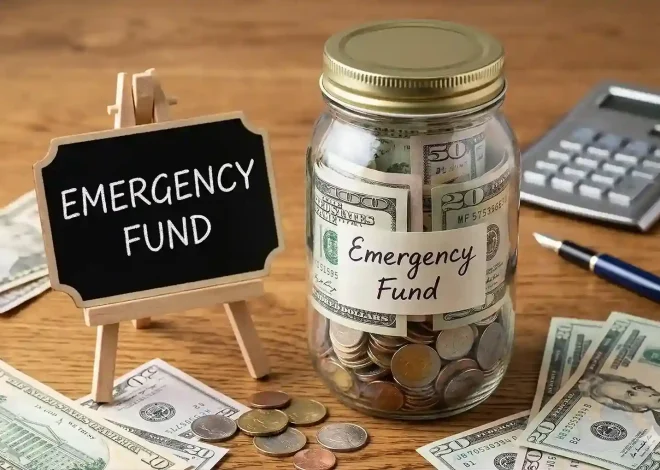
- Build an emergency fund first to cover unexpected expenses
- Only invest money you can afford to leave untouched long-term
- Diversify across assets, sectors, and regions
- Invest consistently rather than trying to time the market
And remember: investing always involves risk. Returns are not guaranteed, and you may lose part of your initial investment.
Final Thoughts
Skipping investing—even for just one year—might seem harmless. But over time, that delay can cost you thousands, even hundreds of thousands, in missed opportunities.
The takeaway is simple:
Time in the market matters more than timing the market.
The earlier you start, the less you need to invest—and the more you stand to gain.
So if you’ve been waiting for the “perfect time” to begin, this might be your sign to start now.
Ultimately, the biggest risk is not always losing money in the market—it’s losing time. A single year without investing may not seem significant, but it delays the compounding process that builds real wealth over decades. Even small, consistent contributions can create a powerful financial trajectory if started early enough. Instead of waiting for perfect conditions, focus on building the habit of investing regularly. Over time, discipline matters far more than timing or market predictions. The sooner you take action, the more you allow your money to work for you—and that’s where true financial growth begins.