
I Lost 50 Million in One Month – And the Lesson Nobody Taught Me
I Lost 50 Million in One Month– When Losing Money Feels Bigger Than It Should
I recently celebrated my birthday. Like every year, a few family members gave me some cash as a small but meaningful gift. It wasn’t a huge amount, but it meant something—it was thoughtful, personal, and mine.
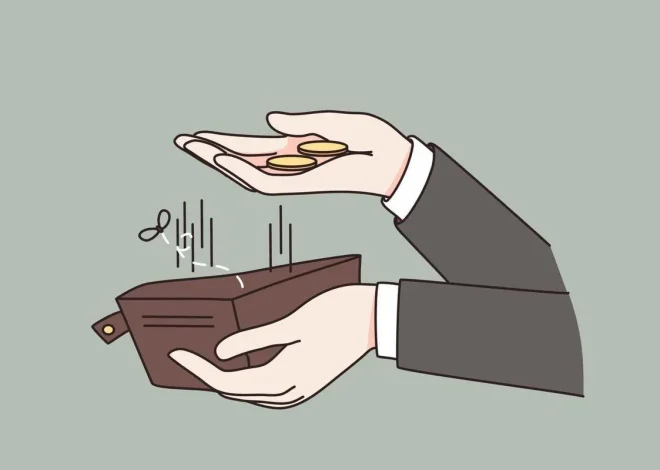
And then… I lost it.
It was just $50.
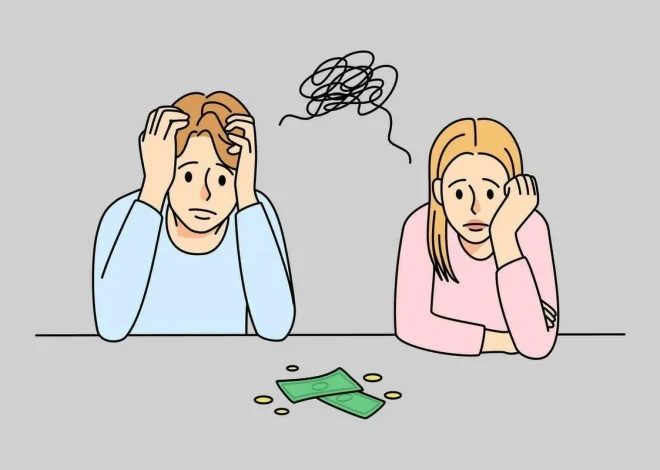
Not life-changing. Not devastating. But the feeling? Completely overwhelming.
I tore apart my car, searched every corner of my house, checked every pocket in my clothes—multiple times. I was late for work, stressed out, and frustrated. The worst part? I couldn’t even remember what I did with it.
Logically, I knew it wasn’t the end of the world.
Emotionally, it felt like it was.

Why Losing Small Money Can Feel So Big
What surprised me most wasn’t the loss itself—it was my reaction.
Why does losing a relatively small amount of money feel so painful?
1. Emotional Attachment Matters More Than Value
That $50 wasn’t just money. It was a birthday gift. It carried emotional weight. When money is tied to a memory or a person, losing it feels personal.
2. Loss Aversion Is Real
Psychologically, losses hit harder than gains feel good. Losing $50 hurts more than finding $50 feels exciting. This is a common human bias—and it explains a lot about our financial behavior.
3. Lack of Control Triggers Anxiety
Not knowing where the money went was the most frustrating part. It creates a sense of chaos. We don’t just lose money—we lose certainty.
The Hidden Lesson Nobody Talks About
At first, I thought this experience was about carelessness.
But it’s not.
It’s about awareness.
Most of us are taught how to earn money, maybe even how to save it—but almost nobody teaches us how to handle small losses, mistakes, and everyday financial stress.
Here’s what I realized:

Money Management Is Also Emotional Management
If losing $50 can ruin your entire day, then the problem isn’t just money—it’s your relationship with it.
Small Habits Create Big Outcomes
Losing track of small amounts often reflects a bigger pattern: lack of systems. Whether it’s organizing your wallet, tracking expenses, or building routines—small habits matter.
Panic Never Solves the Problem
Spending hours searching in a state of stress only made things worse. Clear thinking comes from calmness, not panic.
Practical Tips When You Lose Something Important
If you ever find yourself in the same situation—here are a few things that actually help:
1. Stop and Reset
Before you keep searching, pause. Take a breath. Retrace your steps mentally instead of physically rushing around.
2. Recreate the Timeline
Think back:
- When was the last time you remember having it?
- What did you do after that?
This often works better than random searching.
3. Check “Unusual” Places
Lost items are rarely in obvious spots. Look where you normally wouldn’t put things—bags, drawers, even the fridge (yes, it happens).
4. Accept the Possibility It’s Gone
This is the hardest step—but also the most freeing. Once you accept the loss, your stress level drops immediately.
A Bigger Perspective on Money
In the grand scheme of things, $50 isn’t a disaster.
But the experience revealed something much deeper:
- How easily money can control our emotions
- How fragile our sense of financial security can be
- How important it is to build better habits—not just bigger income
Sometimes, small losses teach bigger lessons than large gains ever could.
Final Thoughts
I may or may not ever find that $50 again.
But I gained something more valuable:
Awareness.
About my habits.
About my mindset.
And about how I handle money—not just when I have it, but when I lose it.
Because in the end, financial growth isn’t just about how much you keep.
It’s about how well you respond when things don’t go your way.