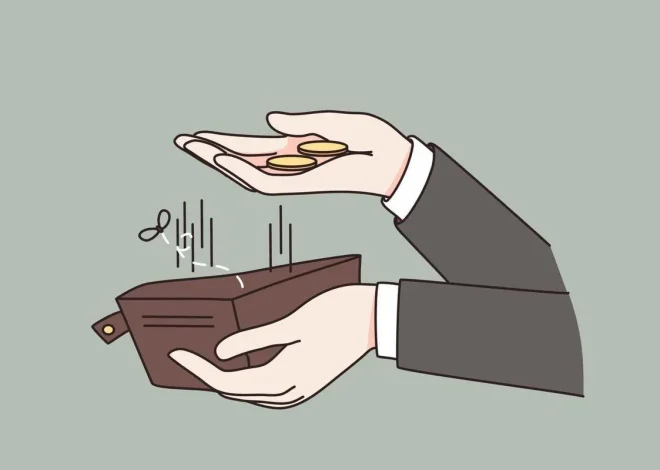

How Much Money Are These Small But Recurring Expenses Costing You?
Money Are These Small But Recurring Expenses Costing You– Have you ever wondered where your money goes at the end of each month? You might not be making any big purchases, yet your bank balance keeps shrinking. The truth is, small and recurring expenses—often overlooked—can quietly drain your budget over time.
In this article, we’ll break down how these “invisible” costs add up and what you can do to take control of your finances.
Why Small Expenses Matter More Than You Think
Daily purchases like a cup of coffee, a quick snack, or a small in-app purchase may seem harmless. But when repeated consistently, they can become a significant financial burden.
For example, spending just $3.50 on coffee every weekday results in:
- $70 per month
- $840 per year
That’s a substantial amount you could have saved or invested elsewhere.

Common Small Expenses That Add Up Quickly
You might be surprised at how many small costs sneak into your routine. Here are some common examples:
- Snacks, candy, and convenience store purchases
- Food delivery fees and tips
- Bottled water
- Cigarettes
- Streaming subscriptions (music, movies, TV)
- Paid apps and microtransactions
- Unused TV channel packages
- Bank ATM fees from other providers
Individually, these expenses feel insignificant—but together, they can take a serious toll on your financial health.
The Psychology Behind Everyday Spending
One reason these expenses are so dangerous is psychological. Small amounts—like $1 or $2—don’t trigger the same level of concern as larger purchases.
Because of this:
- You’re less likely to track them
- You justify them as “rewards” or “small treats”
- They go unnoticed in your overall budget
Over time, these habits accumulate, leading to higher monthly spending without you realizing it.
How to Take Control of Small Recurring Expenses
The good news? With a few simple strategies, you can regain control and start saving more effectively.

1. Analyze Your Spending
Start by tracking every expense—no matter how small.
Write down:
- What you bought
- How much it cost
- How often you purchase it
Keeping receipts or using budgeting apps can help you get a clear picture of your spending habits.
2. Reduce or Eliminate Unnecessary Costs
Once you identify your spending patterns, ask yourself:
- Do I really need this?
- Does this add real value to my life?
You can also set limits, such as allowing only 2–3 small discretionary purchases per month.
3. Include Small Expenses in Your Budget
Many people budget for rent, groceries, and bills—but forget about small daily expenses.
Make sure to:
- Add these costs into your monthly budget
- Estimate how frequently they occur
- Adjust your spending if needed
If your budget feels tight, these are the easiest expenses to cut.
4. Turn Savings Into Meaningful Goals
Cutting small expenses doesn’t mean sacrificing happiness—it means redirecting your money toward something more meaningful.
By reducing unnecessary spending, you could:
- Build an emergency fund
- Invest for the future
- Pay off debt faster
- Save for a personal project or goal

turn-savings-into-meaningful-goals

Final Thoughts
Small expenses may seem insignificant in the moment, but over time, they can have a major impact on your financial well-being.
The key takeaway is simple:
Be aware, stay intentional, and track your spending.
With consistent effort and mindful decisions, you can eliminate wasteful habits, reduce financial stress, and take pride in building a healthier financial future.
Remember—when it comes to money, slow and steady wins the race.
In addition, building awareness around your daily financial behavior can create long-term positive habits. Even small adjustments—like bringing coffee from home or canceling unused subscriptions—can free up extra cash each month. Over time, these savings can compound into meaningful financial progress. The key is consistency: regularly reviewing your expenses and making conscious choices will help you stay aligned with your financial goals. By staying disciplined and intentional, you not only improve your budget but also develop a healthier relationship with money that benefits you in the long run.