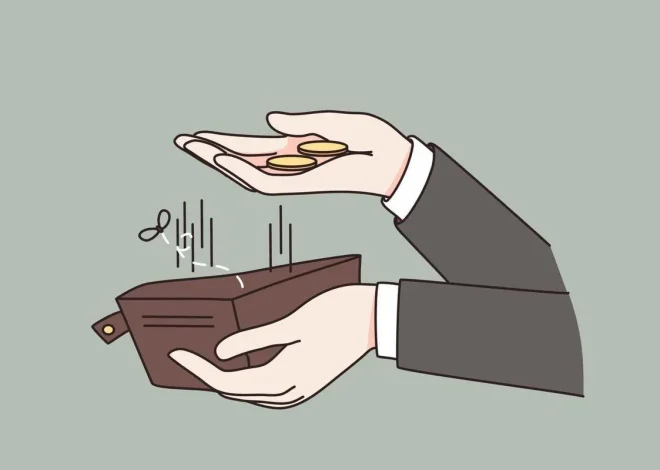

Small Expenses Are Silently Costing You Money
Silently Costing You Money- In personal finance, it’s easy to focus on big decisions like investing, buying a home, or planning for retirement. However, the real threat to your savings often comes from something much smaller—your daily spending habits. These seemingly minor expenses can quietly add up and significantly impact your long-term financial goals.
Why Small Expenses Matter More Than You Think

Over time, small, repeated purchases can erode your savings without you even noticing. Whether it’s ordering food during the week or maintaining multiple subscriptions, these habits can become deeply ingrained and difficult to break.
Interestingly, the rise of modern financial technology has made spending more convenient than ever. While these platforms offer flexibility and ease, they can also encourage impulsive decisions and unhealthy financial behaviors.
Let’s explore some of the most common spending habits that could be holding you back.
Buy Now, Pay Later: A Double-Edged Sword
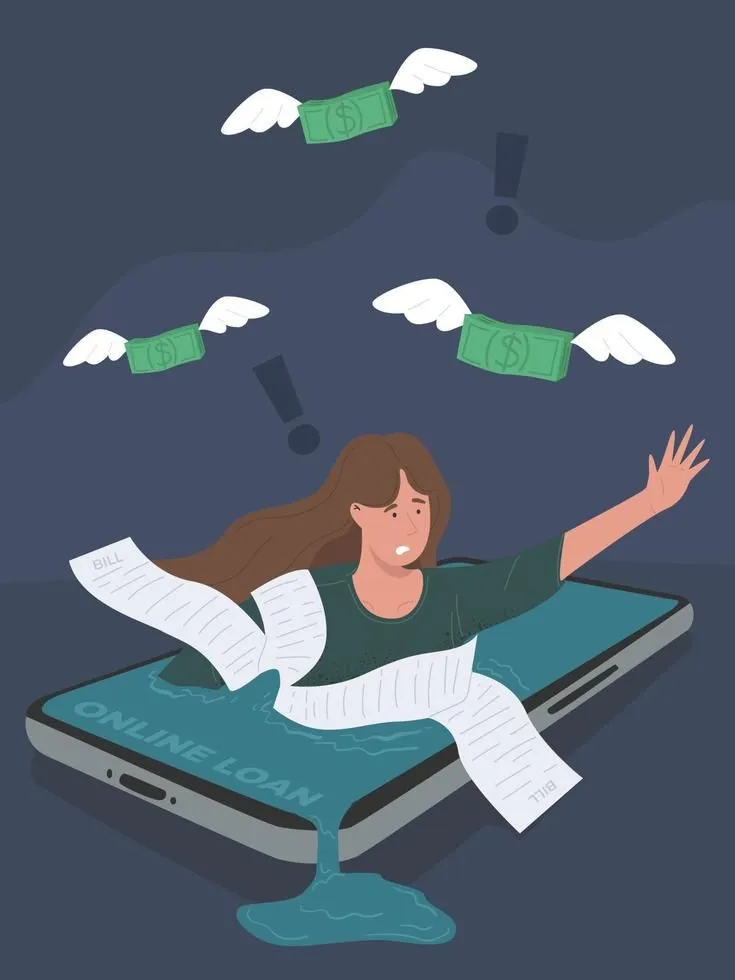
Buy Now, Pay Later (BNPL) services have rapidly gained popularity, especially among younger consumers. Platforms like Afterpay allow users to purchase items immediately and pay for them in installments.
While this sounds appealing, it often leads to overspending. The delayed payment model can create the illusion that purchases are more affordable than they actually are. This can result in increased impulse buying, higher spending frequency, and even debt accumulation due to hidden fees or missed payments.
When used wisely, credit can be a powerful financial tool. But if mismanaged, it can quickly become a major obstacle to building wealth.
Food Delivery Culture: Convenience Comes at a Price
Food delivery services have become a staple of modern life. With just a few taps, you can have your favorite meal delivered to your doorstep. While this convenience is hard to resist, it often comes with hidden costs.
Delivery fees, service charges, and higher menu prices can make ordering in far more expensive than cooking at home. What feels like a small indulgence can turn into a significant monthly expense when done frequently.
Being mindful of how often you rely on these services can make a big difference in your overall spending.
Sticky Subscriptions: The Silent Budget Killer
Subscriptions are another common source of unnoticed spending. From streaming platforms to gym memberships, recurring payments can pile up quickly.
“Sticky subscriptions” are particularly problematic. These are services that are difficult to cancel or require time-consuming processes to opt out. As a result, many people continue paying for services they rarely use.
Even low-cost subscriptions can add up to hundreds of dollars annually when combined, making them a hidden drain on your finances.
The Road to Smarter Savings
Improving your financial habits doesn’t require drastic changes. Small, consistent actions can lead to meaningful results over time. Here are some practical strategies to help you take control of your spending:
Create a Budget
Start by identifying your essential expenses and tracking where your money is going. This will help you spot areas where you may be overspending.
Monitor Your Subscriptions
Regularly review your subscriptions and evaluate whether they are necessary. Cancel or pause services you no longer use.
Reduce Unnecessary Spending
Set limits on discretionary expenses such as takeaway meals or online shopping. Finding a balance allows you to enjoy life without overspending.
Track Your Spending
Use a budgeting tool or planner to stay aware of your financial habits. Awareness is the first step toward making better decisions.
Small Changes, Big Financial Impact
It’s important to enjoy life’s small pleasures, but maintaining balance is key. The daily habits you build today can shape your financial future tomorrow.
Whether your goal is to travel, buy a home, or start a business, achieving it often begins with controlling the small expenses that go unnoticed. By becoming more intentional with your spending, you can build healthier financial habits and move closer to long-term financial success.
If you need guidance in creating smarter money habits, consider reaching out to a financial professional for support.