
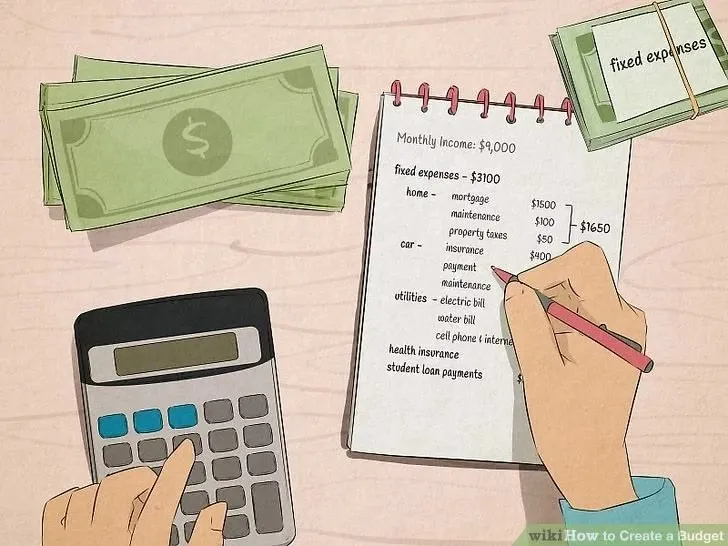
Where Does Your Money Go Each Month? How to Check It Yourself in 15 Minutes
Where Does Your Money Go Each Month?- Managing money—whether for your personal life or a small business—often feels overwhelming. You earn, you spend, and somehow at the end of the month, you’re left wondering: “Where did it all go?”
The truth is, understanding your cash flow doesn’t require complicated tools or hours of work. In fact, you can get a clear picture of your monthly finances in just 15 minutes—if you know what to look for.

Why You Need to Track Your Money Monthly
Many people focus on increasing income but overlook one critical factor: how money is managed.
For small business owners, this is even more important. Decisions like payroll, expenses, and operational costs directly impact cash flow and long-term sustainability.
Tracking your money helps you:
- Identify unnecessary spending
- Improve budgeting accuracy
- Avoid cash shortages
- Make smarter financial decisions
Step-by-Step: Check Where Your Money Goes in 15 Minutes
1. Gather Your Financial Data (5 Minutes)
Start by collecting:
- Bank statements
- Credit card transactions
- E-wallet or online payment history
You don’t need to overcomplicate this—just focus on the last 30 days.
2. Categorize Your Spending (5 Minutes)
Split your expenses into simple groups:
- Fixed costs: rent, salaries, subscriptions
- Variable costs: food, transportation, utilities
- Optional spending: entertainment, shopping
For businesses, this step is similar to reviewing operational costs like payroll, inventory, and marketing expenses.
3. Identify Patterns (3 Minutes)
Look for trends:
- Are you spending more than expected in certain categories?
- Are there recurring charges you forgot about?
- Do your expenses align with your priorities?
This is where most “hidden” money leaks are revealed.
4. Compare Income vs Expenses (2 Minutes)
Now ask yourself:
- Are you saving anything?
- Is your spending increasing with your income?
If your balance isn’t improving, the issue may not be income—it’s spending behavior.
What Payroll Can Teach You About Personal Finance
In business, payroll is one of the most structured financial processes. Employees are paid on a fixed schedule, and companies must carefully plan cash flow to meet these obligations.
This concept can be applied to personal finance.
What Is Pay Frequency?
Pay frequency refers to how often income is received or distributed. Common types include:
- Weekly
- Biweekly (every 2 weeks)
- Semimonthly (twice a month)
- Monthly
Each frequency affects how money is managed and spent.
Pay Periods vs Pay Dates: Why It Matters
- Pay period: The timeframe during which income is earned
- Pay date: The actual day you receive money
Understanding this helps you:
- Plan expenses more accurately
- Avoid overspending between paychecks
- Maintain better financial discipline
Common Pay Schedules and Their Impact
Weekly (52 times/year)
- Pros: Frequent cash flow, easier expense management
- Cons: Harder to track, higher admin effort (for businesses)
Biweekly (26 times/year)
- Pros: Balanced and widely used
- Cons: Some months feel tighter due to uneven distribution
Semimonthly (24 times/year)
- Pros: Predictable dates
- Cons: Doesn’t always align with real spending cycles
Monthly (12 times/year)
- Pros: Simple and efficient
- Cons: Requires strong budgeting discipline
The Hidden Trap: More Income, Same Balance
One of the biggest financial myths is:
“If I earn more, I’ll save more.”
In reality, spending often increases with income—a phenomenon known as lifestyle inflation.
Without tracking, even a salary increase won’t improve your financial situation.

Special Cases That Affect Your Money Flow
The “Extra Paycheck” Effect
In some systems (like biweekly income), certain years include an extra paycheck. This can feel like a bonus—but without planning, it disappears quickly.
Holidays and Timing
Bank holidays and payment delays can shift when money arrives, affecting short-term cash flow.
How to Take Control Moving Forward
After your 15-minute review, take these simple actions:
- Cut at least one unnecessary expense
- Set a spending limit for flexible categories
- Align your expenses with your income schedule
- Review your finances weekly or monthly
For business owners, this also means:
- Choosing the right payroll schedule
- Managing cash flow carefully
- Ensuring timely and accurate payments

how-to-take-control-moving-forward

Final Thoughts
You don’t need complex systems to understand your money—you just need clarity and consistency.
Spending 15 minutes each month reviewing your finances can reveal patterns that dramatically improve your financial health.
Because at the end of the day, it’s not just about how much you earn—
it’s about how well you manage what you already have.