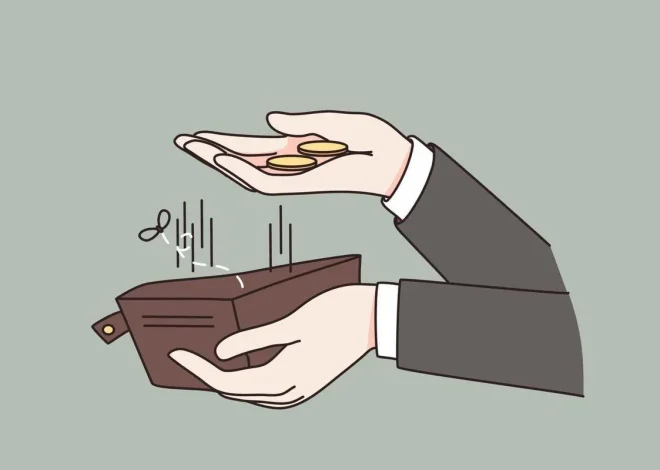

Are You Living Below Your Means?
Are You Living Below Your Means?– Have you ever wondered why so many people emphasize the importance of living below your means? It’s not just a trendy financial phrase—it’s a powerful lifestyle strategy that helps you build wealth, reduce stress, and gain long-term financial security.
Living below your means isn’t about depriving yourself. It’s about making intentional choices so your money works for you—not against you. Here’s a complete, practical guide to help you get started.
What Does Living Below Your Means Really Mean?

Living below your means simply means spending less than you earn. Instead of relying on credit or waiting for your next paycheck, you create a buffer—allowing room for savings, investments, and unexpected expenses.
This approach improves not just your finances, but your peace of mind. Less debt, more savings, and better control over your money lead to a more stable and fulfilling life.
1. Understand Your Current Spending
Before making any changes, you need a clear picture of where your money goes.
Track all your monthly expenses, including:
- Rent or mortgage
- Groceries and utilities
- Transportation costs
- Insurance and loan payments
- Subscriptions and entertainment
You don’t need perfect numbers—just a realistic overview. This awareness is the foundation of better financial decisions.
2. Cut Unnecessary Expenses
Once you identify your spending habits, it’s time to eliminate what doesn’t truly add value.
Common areas to reduce:
- Entertainment: Replace expensive outings with affordable alternatives
- Dining out: Cook more meals at home
- Impulse shopping: Avoid buying things you don’t need
- Unused subscriptions: Cancel what you no longer use
Small cuts can lead to big savings over time.
3. Reduce Your Monthly Bills
Many people assume fixed expenses can’t change—but that’s not true.
You can lower costs by:
- Negotiating internet, phone, or insurance plans
- Using less electricity and water
- Shopping smarter for groceries (bulk buying, discounts)
Even minor adjustments in daily habits can significantly reduce your monthly expenses.
4. Create a Realistic Budget
A budget is your financial roadmap. It helps you control spending while still enjoying life.
A good budget should:
- Cover essential expenses
- Allocate money for savings
- Leave room for personal enjoyment
The key is sustainability. A flexible, realistic budget works better than a strict one you can’t maintain.
5. Monitor and Adjust Your Spending
Creating a budget isn’t enough—you need to track your progress.
Review your spending regularly:
- Compare actual expenses with your budget
- Identify areas where you overspend
- Adjust categories when necessary
Honesty is crucial. If you’re overspending, fix the habit—not just the numbers.
6. Use Credit Cards Wisely
Credit cards can either help or hurt your finances.
Best practices:
- Only spend what you can afford to repay
- Pay your balance in full every month
- Avoid relying on minimum payments
Responsible use can earn rewards and build credit—while avoiding debt and high interest.
7. Build Strong Saving Habits
Saving is a core part of living below your means.
Focus on:
- Emergency funds
- Retirement savings
- Long-term goals (home, education, investments)
Automating your savings is one of the easiest ways to stay consistent. Set it up once, and let it grow over time.
8. Increase Your Income with a Side Hustle
If cutting expenses isn’t enough, consider earning more.
Side hustles can include:
- Freelancing
- Selling products online
- Driving or delivery services
- Pet sitting or tutoring
Extra income gives you more flexibility and accelerates your financial goals.
9. Consider Downsizing Your Lifestyle
Sometimes, the biggest savings come from major lifestyle changes.
Ask yourself:
- Do you need your current living space?
- Could you move to a more affordable area?
- Are you overspending on big assets like cars?
Downsizing doesn’t mean sacrificing happiness—it means aligning your lifestyle with your priorities.
Final Thoughts
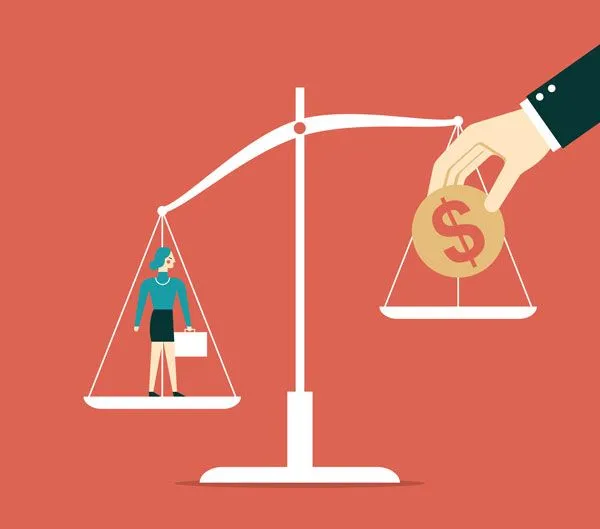
Living below your means is not about restriction—it’s about control. When you spend less than you earn, you create opportunities: to save, invest, and live with less financial stress.
Start small. Track your spending, cut one unnecessary expense, and build from there. Over time, these simple habits can transform your financial future and give you the freedom you’ve been looking for.