Why Do You Earn Just Enough to Live On but Never Have Money Left Over?
Just Enough to Live On but Never Have Money Left Over– Have you ever wondered why your salary seems to cover your life—but nothing more?
You pay your bills, afford your daily needs, maybe even enjoy small luxuries… yet at the end of the month, your bank account is nearly empty. This frustrating cycle is more common than you think.
Money, in many ways, behaves like oxygen. When you have enough, you barely notice it. But the moment it feels insufficient, it dominates your thoughts, decisions, and emotions.
So what’s really going on?

The Real Problem Isn’t Income—It’s Perception
Many people assume that earning more will solve everything. But in reality, the feeling of “not enough” exists at every income level.
Even highly successful individuals can feel financially insecure. Legendary figures like Joseph Heller and John D. Rockefeller famously highlighted this paradox—no matter how much money you have, it often feels like you need just a little more.
This mindset creates a dangerous loop:
- The more you earn, the more you want
- The more you want, the less satisfied you feel
And suddenly, “enough” is always out of reach.
1. You Prioritize Saving Money Over Living Well
If you constantly chase discounts, deals, and “best prices,” you might think you’re being financially smart.
But there’s a hidden cost.
When every decision revolves around saving money, you may:
- Miss meaningful experiences
- Choose cheaper options that don’t satisfy you
- Feel restricted instead of empowered
Being overly focused on saving can actually reduce your quality of life. Smart financial habits matter—but not at the expense of happiness.
2. You Choose Bargains Over Experiences
People who feel financially secure tend to spend differently. Instead of asking:
“What’s the cheapest option?”
They ask:
“What will I enjoy the most?”
This subtle shift changes everything.
For example, choosing a unique travel experience—even if it costs more—can create lasting memories. Meanwhile, always picking the cheapest option often leads to regret or dissatisfaction.
In the long run, value matters more than price.
3. You’re Stuck in the Debt Cycle
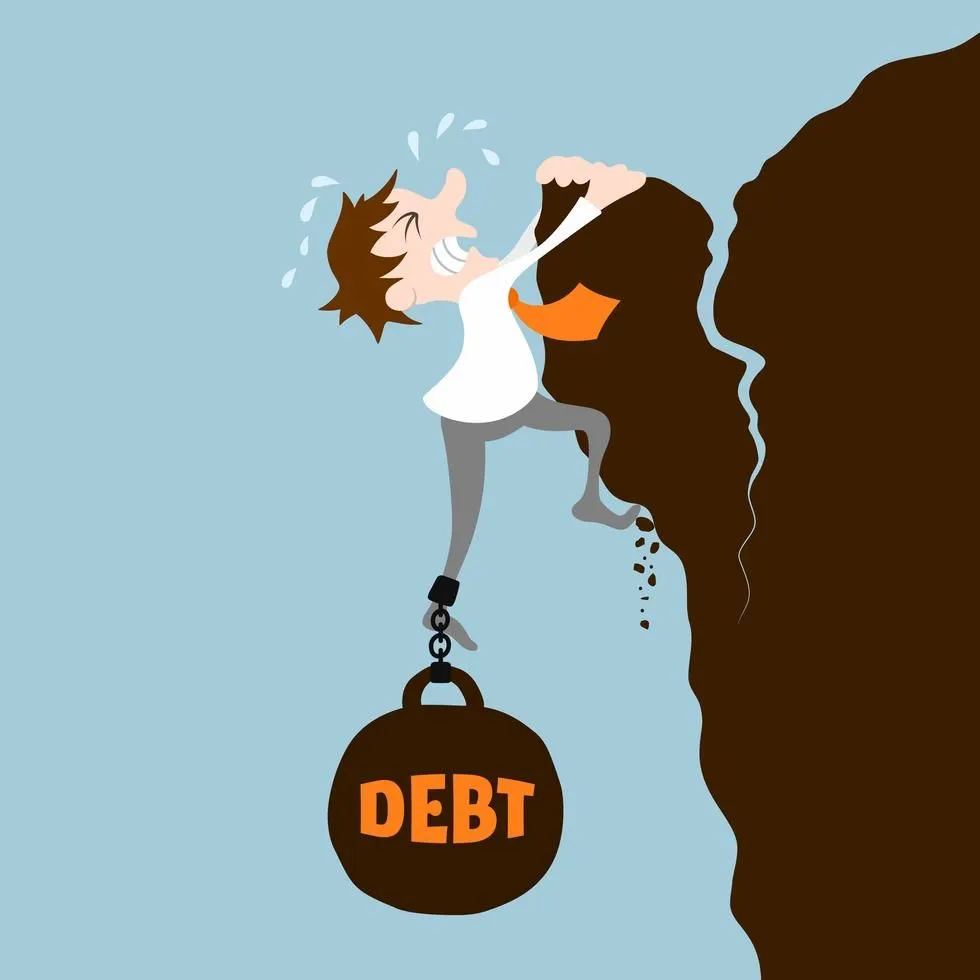
One major reason you never have money left is simple: debt keeps eating your future income.
People who feel they don’t have enough often:
- Borrow to maintain a lifestyle
- Justify debt with “low interest rates”
- Delay financial freedom for short-term comfort
On paper, strategies like interest rate arbitrage may sound smart. But in reality, the gains are often minimal—and the stress isn’t worth it.
Those who truly feel financially secure usually prioritize:
- Paying off debt early
- Reducing financial risk
- Gaining peace of mind
Because ultimately, financial freedom isn’t about maximizing returns—it’s about minimizing stress.
4. You Underestimate the Power of Being Debt-Free
There’s a psychological shift that happens when you eliminate debt.
Instead of thinking:
- “How can I earn more?”
You start thinking:
- “How can I live better with what I have?”
Even small debts can keep you mentally tied to scarcity. Once they’re gone, you gain:
- More control over your money
- Less financial anxiety
- Greater flexibility in life decisions
Sometimes, the smartest financial move isn’t investing more—it’s simplifying your life.
5. You Don’t Practice Generosity
It may sound counterintuitive, but people who give often feel wealthier.
Why?
Because generosity reinforces the belief that:
“I already have enough.”
When you’re constantly holding onto money out of fear, you reinforce scarcity. But when you share—even a small amount—you shift into abundance thinking.
This doesn’t mean reckless giving. It means recognizing that:
- You can save
- You can enjoy life
- And you can still help others
All at the same time.
6. Lifestyle Inflation Is Quietly Draining You
As your income increases, your lifestyle often increases with it.
This includes:
- Bigger apartments
- Better cars
- More expensive habits
The problem? Your expenses rise just as fast as your income.
So even though you earn more, you still feel stuck.
Breaking this cycle requires intentional choices:
- Maintain a reasonable lifestyle
- Avoid unnecessary upgrades
- Focus on long-term stability

lifestyle-inflation-is-quietly-draining-you
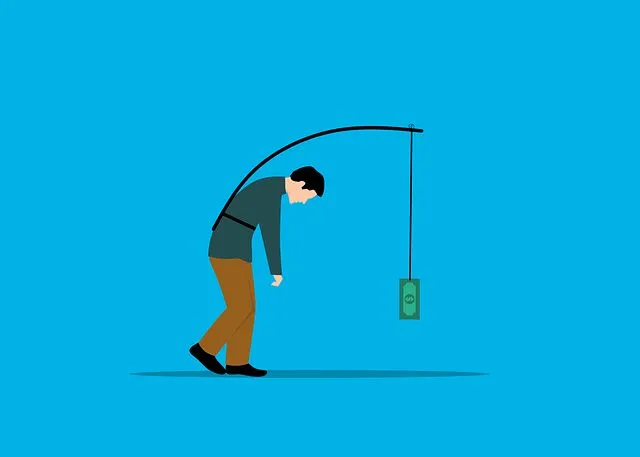
How to Finally Have Money Left Over
If you’re tired of living paycheck to paycheck, here’s what actually works:
1. Define What “Enough” Means to You
Without a clear definition, you’ll chase money forever.
2. Balance Saving and Enjoyment
Don’t sacrifice your present for your future—or vice versa.
3. Eliminate High-Impact Debt
Focus on freedom, not just financial optimization.
4. Spend on What Truly Matters
Cut the rest without guilt.
5. Build a Mindset of Abundance
You don’t need more money—you need a better relationship with it.
Conclusion: Enough Is a Decision
At the core of the problem isn’t your salary, your expenses, or even your financial strategy.
It’s your definition of “enough.”
Once you realize that enough isn’t a number—but a mindset—you unlock something powerful:
- You stop chasing endlessly
- You start enjoying what you have
- And for the first time, you actually have money left over
Because sometimes, the reason you feel broke… isn’t because you earn too little.
It’s because “enough” never feels like enough.