
From a 7 Million VND Salary to 100 Million VND in Savings: A Real-Life Journey
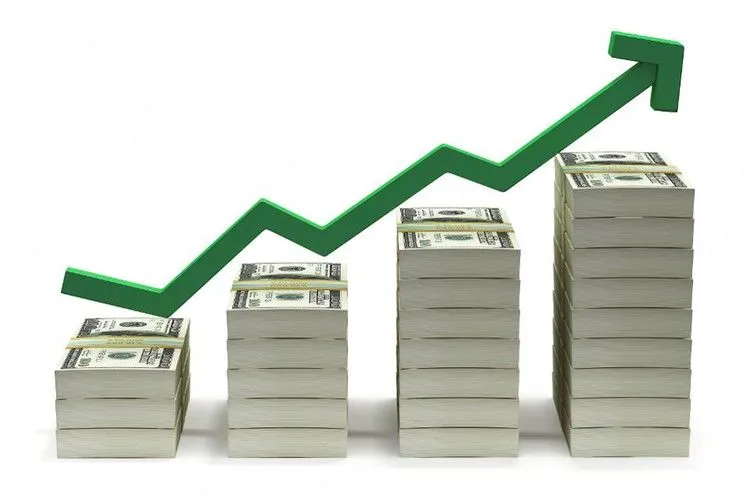
7 Million VND Salary to 100 Million VND in Savings– In today’s fast-growing urban economy, many young professionals in Vietnam are earning impressive salaries—some even reaching 40–50 million VND per month. Yet surprisingly, a large number still struggle to accumulate meaningful savings.
This paradox highlights a common but often overlooked financial trap: earning more does not always lead to building wealth. Instead, rising income can quietly fuel higher spending, leaving little room for long-term financial growth.
Table of Contents
ToggleA Real Story: Growing Income, Stagnant Savings
After six years working in the tech industry, Ngoc Anh saw her monthly income rise from 12 million VND to nearly 45 million VND. On paper, this looked like financial success. However, by the end of 2024, her savings told a different story—she had accumulated less than 100 million VND.
What made this even more surprising was that in her early career, despite earning less, she had once saved nearly the same amount.
So where did all the extra money go?
The Hidden Culprit: Lifestyle Inflation
Looking back, Ngoc Anh realized a pattern: every time her salary increased, she upgraded her lifestyle.
- Moving into a more expensive apartment
- Buying the latest smartphone
- Purchasing a premium motorbike
- Joining a high-end gym
- Traveling abroad multiple times a year
Individually, these choices felt like well-earned rewards. But together, they created a network of fixed monthly expenses that consumed most of her higher income.
This phenomenon is widely known as lifestyle inflation—when spending rises alongside (or even faster than) income.
Another Perspective: The Financial Pressure Trap
Le Trung Kien, a finance professional, experienced a similar journey. Starting with a salary of 18 million VND, he eventually earned over 50 million VND per month after seven years.
Instead of building assets, he upgraded his lifestyle:
- Buying a car through installment payments
- Renting a luxury apartment
- Increasing spending on social and business activities
While his income grew significantly, so did his financial obligations. Monthly costs—from car payments to daily expenses—absorbed nearly all of his earnings.
When his bonus dropped in 2025, reality hit hard. With fixed expenses unchanged and income reduced, he was forced to withdraw from short-term investments just to maintain his lifestyle.
Why High Earners Still Fail to Save

The core issue isn’t income—it’s behavior.
Lifestyle inflation is often driven by psychology. As income increases, people feel the need to reflect their success through visible upgrades: better housing, better transportation, and more premium experiences.
However, these upgrades come with long-term financial commitments. Over time, they reduce flexibility, limit savings, and create dependency on a high income just to sustain daily life.
The Key Difference: Wealth Builders vs. High Spenders
People who successfully build wealth approach income growth differently.
Instead of increasing their lifestyle proportionally, they:
- Maintain a stable cost of living
- Control unnecessary upgrades
- Channel additional income into savings and investments
In simple terms, they live below their means, even when they can afford more.
Practical Strategies to Escape Lifestyle Inflation
1. Treat Savings as a Non-Negotiable Expense
Saving should not be what’s “left over” at the end of the month. Instead, it should be prioritized from the beginning.
- Set aside 20–30% of your income immediately after receiving your salary
- For higher earners (above 30 million VND/month), aim for 30–40%
2. Automate Your Finances
One of the most effective ways to stay consistent is automation.
- Set up automatic transfers to a savings or investment account
- Separate your spending and saving accounts
This ensures that your savings are “locked in” before you have a chance to spend.
3. Control Fixed Costs
Be cautious with long-term financial commitments such as:
- High rent
- Car loans
- Subscription services
These recurring expenses reduce your financial flexibility and make it harder to save during income fluctuations.
4. Upgrade Mindfully, Not Emotionally
Before making any lifestyle upgrade, ask yourself:
- Is this improving my long-term financial health?
- Can I maintain this cost if my income drops?
Small decisions, repeated over time, shape your financial future.
Conclusion: Income Growth Must Be Matched by Discipline
The journey from earning a modest salary to building significant savings is not just about making more money—it’s about managing it wisely.
Without discipline, even a high income can disappear quickly. But with the right habits—prioritizing savings, controlling lifestyle inflation, and investing consistently—you can ensure that your wealth grows alongside your income.
Remember: True financial success is not measured by how much you earn, but by how much you keep and grow over time.