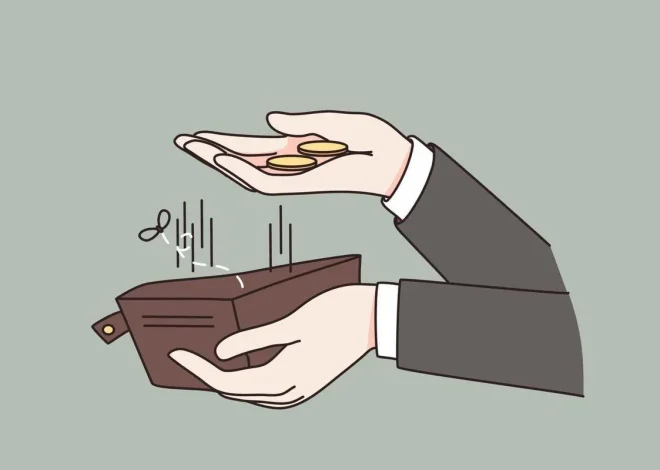

How to Design a Life with Less Financial Stress
Design a Life with Less Financial Stress- Financial stress is more common than most people admit. If you’ve ever lost sleep over bills, felt anxious checking your bank account, or worried about making ends meet, you’re not alone. For many, money isn’t just a practical concern—it’s an emotional burden that affects health, relationships, and overall quality of life.
The good news? Financial stress is not permanent. With the right mindset and strategies, you can redesign your life to feel more secure, in control, and financially confident.
What Is Financial Stress?
Financial stress refers to the anxiety and pressure caused by money-related challenges. It often shows up in everyday situations—like paying for groceries, managing bills, or thinking about long-term goals.
It’s not just mental. Financial stress can lead to:
- Poor sleep and fatigue
- Headaches or physical tension
- Emotional outbursts
- Strained relationships
Think of it as a warning signal—your finances need attention and adjustment.

Common Signs You’re Experiencing Financial Stress
You might be dealing with financial stress if you:
- Feel anxious during routine spending
- Struggle to decide which bills to pay first
- Constantly worry about your financial future
- Avoid checking your accounts or discussing money
- Compare yourself to others financially
- Use spending as a way to cope emotionally
Recognizing these signs is the first step toward change.
Why Financial Stress Impacts More Than Money
Money problems rarely stay isolated. They often spill into personal relationships, especially in marriages or partnerships. Miscommunication, blame, and financial pressure can lead to frequent arguments.
In many cases, the issue isn’t just money—it’s the lack of clarity, planning, and communication around it.
The Root Causes of Financial Stress
Understanding the cause helps you fix the problem effectively. Here are four common reasons people struggle financially:
1. Lack of Financial Knowledge
Many people were never taught how to manage money. Without basic financial literacy, it’s easy to feel lost.
2. No Clear Budget
Even a good income can disappear quickly without a plan. A lack of budgeting leads to confusion and overspending.
3. Insufficient Income
Sometimes, the problem is simple: your income isn’t enough to cover essential expenses.
4. Emotional or Personal Challenges
Spending habits, financial conflicts, or deeper issues like addiction can make money management more difficult.
12 Practical Ways to Reduce Financial Stress
1. Face Your Financial Reality
Start by understanding your situation:
- Check your account balances
- List debts and expenses
- Review your income
Clarity reduces fear.
2. Create a Budget That Works
A budget gives every dollar a purpose. It helps you:
- Control spending
- Prioritize needs
- Identify waste
Consistency matters more than perfection.
3. Build a Support System
Talk to someone you trust—friend, partner, or mentor. Accountability keeps you motivated and grounded.
4. Track Every Expense
Awareness is powerful. When you track spending daily, you:
- Avoid overspending
- Stay aligned with your budget
- Make better decisions
5. Start an Emergency Fund
Unexpected expenses are inevitable. Begin with a small goal (like $1,000), then build toward 3–6 months of living expenses.
This creates peace of mind.
6. Eliminate Debt Strategically
Debt adds pressure and limits freedom. A simple method:
- Focus on paying off the smallest debt first
- Roll that payment into the next one
Momentum builds confidence.
7. Seek Professional Guidance
A financial coach or advisor can help you:
- Build a clear plan
- Avoid costly mistakes
- Stay focused on long-term goals
8. Increase Your Income
If your income isn’t enough:
- Upskill or change career paths
- Take on a temporary side hustle
More income creates breathing room—but only if managed wisely.
9. Control Emotional Spending
Impulse purchases may feel good temporarily, but they increase long-term stress.
Ask yourself:
“Is this helping my future or just satisfying a short-term feeling?”
10. Practice Generosity
Giving—even in small amounts—can shift your mindset from scarcity to abundance and reduce stress.
11. Focus on Gratitude
Comparing yourself to others fuels anxiety. Instead:
- Appreciate what you have
- Limit exposure to triggers like social media
12. Set Clear Financial Goals
Goals provide direction and motivation. Start small:
- Build savings
- Pay off debt
- Plan for future investments
Progress creates confidence.
Managing Multiple Financial Goals Without Stress
Trying to do everything at once can feel overwhelming. Simplify your approach:
- Prioritize essentials first
- Separate savings into different “buckets”
- Automate your savings
- Track progress regularly
Consistency beats perfection.

When Should You Ask for Help?
If you feel stuck despite your efforts, it’s time to seek support. Major life events—like job changes, marriage, or unexpected expenses—can increase pressure.
Getting expert advice can help you move forward faster and with more confidence.
Take Back Control of Your Financial Life
Financial stress doesn’t define you—and it doesn’t have to control your future. With awareness, discipline, and the right strategies, you can build a life that feels stable, intentional, and free from constant money anxiety.
Start small. Stay consistent. And remember: every positive step you take today brings you closer to a calmer, more secure financial future.