Financial Mindset: The First Step to Breaking the Cycle of Being Short of Money
The First Step to Breaking- Developing a strong financial mindset is the foundation of long-term financial wellbeing. No matter your age or income, building healthy money habits can help you take control of your finances, reduce stress, and create a more secure future.
In this guide, you’ll discover practical steps to improve your financial wellbeing and break free from the cycle of constantly feeling short of money.
What Is Financial Wellbeing?

Financial wellbeing is about feeling secure and in control of your money. It’s not just about how much you earn, but how you manage, spend, and plan your finances.
Many people focus on physical and mental health but overlook financial health. In reality, the way you handle money directly impacts your stress levels, lifestyle, and future opportunities.
When spending becomes impulsive or unmanaged, it can lead to long-term financial instability and emotional strain. That’s why building a healthy relationship with money is essential.
5 Practical Steps to Improve Your Financial Wellbeing
1. Create a Budget and Stick to It
Budgeting is the first and most important step toward financial stability.
By tracking your income and expenses, you gain a clear picture of where your money goes. This helps you:
- Identify unnecessary spending
- Set realistic financial goals
- Save consistently
Whether you use a spreadsheet or a budgeting app, the key is consistency. Review your budget regularly and adjust it when your circumstances change.
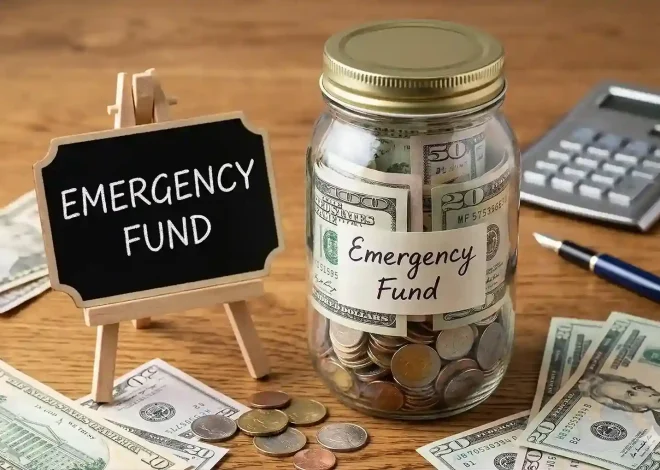
2. Build an Emergency Fund
Life is unpredictable. Unexpected expenses like medical bills, repairs, or job loss can disrupt your finances.
An emergency fund acts as your financial safety net.
How much should you save?
- Start with at least 3 months of living expenses
- Aim to build up to 6 months or more
Keep this money in an easy-access savings account so you can use it anytime without penalties.
Having this buffer gives you peace of mind and reduces the need to rely on debt.
3. Always Look for the Best Deals
Being mindful of your spending doesn’t mean sacrificing quality. It means making smarter choices.
Before making a purchase:
- Compare prices online and offline
- Look for discounts or promotions
- Evaluate if the purchase is a need or a want
Even small savings on everyday expenses like utilities, subscriptions, or shopping can add up significantly over time.
4. Avoid Emotional Spending
Emotional spending is one of the biggest obstacles to financial wellbeing.
It often comes from:
- Stress or boredom (retail therapy)
- Loneliness or anxiety (comfort spending)
- Social pressure (keeping up with others)
- Impulse decisions (fear of missing out)
To overcome this habit:
- Pause before making unplanned purchases
- Ask yourself if it aligns with your financial goals
- Give yourself time to think before buying
Building awareness of your triggers helps you make more rational financial decisions and save more effectively.
5. Set Short-Term and Long-Term Financial Goals
A healthy financial plan balances both short-term and long-term goals.
Long-Term Goals
These include:
- Retirement savings
- Buying a home
- Paying off a mortgage
- Supporting your family’s future
Saving consistently over time allows your money to grow and work for you. The earlier you start, the more benefits you gain in the future.
Short-Term Goals
Short-term goals are usually achieved within 1–2 years, such as:
- Traveling
- Buying a car
- Home improvements
- Personal rewards
These goals keep you motivated and help build consistent saving habits.
Why You Need Both

Focusing only on long-term savings can limit your flexibility and increase stress. On the other hand, ignoring long-term planning can lead to financial insecurity later in life.
The key is balance:
- Save for your future
- Enjoy your present responsibly
Take Control of Your Financial Future
Improving your financial wellbeing doesn’t require drastic changes. It’s about taking small, consistent steps:
- Create and review your budget
- Build a strong emergency fund
- Spend wisely
- Control emotional spending
- Set clear financial goals
Over time, these habits will transform your relationship with money and help you break free from financial stress.