

How Much Sleep Is Enough? The Truth About Sleep You Should Know
How Much Sleep Is Enough?- Sleep is one of the most essential pillars of good health—yet it’s often the most overlooked. A single poor night’s sleep can leave you feeling tired and unfocused, while long-term sleep deprivation can seriously affect your physical and mental wellbeing.
So, how much sleep do you actually need? And does that number change as you get older? Let’s break down the science and practical tips to help you sleep better and live healthier.
How Many Hours of Sleep Do You Really Need?
Getting enough high-quality sleep each night is crucial for maintaining overall health. Unfortunately, many people today don’t get the rest their bodies truly need.
A chronic lack of sleep has been linked to increased risks of:
- Diabetes
- Depression
- Heart disease
- Weight gain
- Weakened immunity
Recommended Sleep Duration by Age
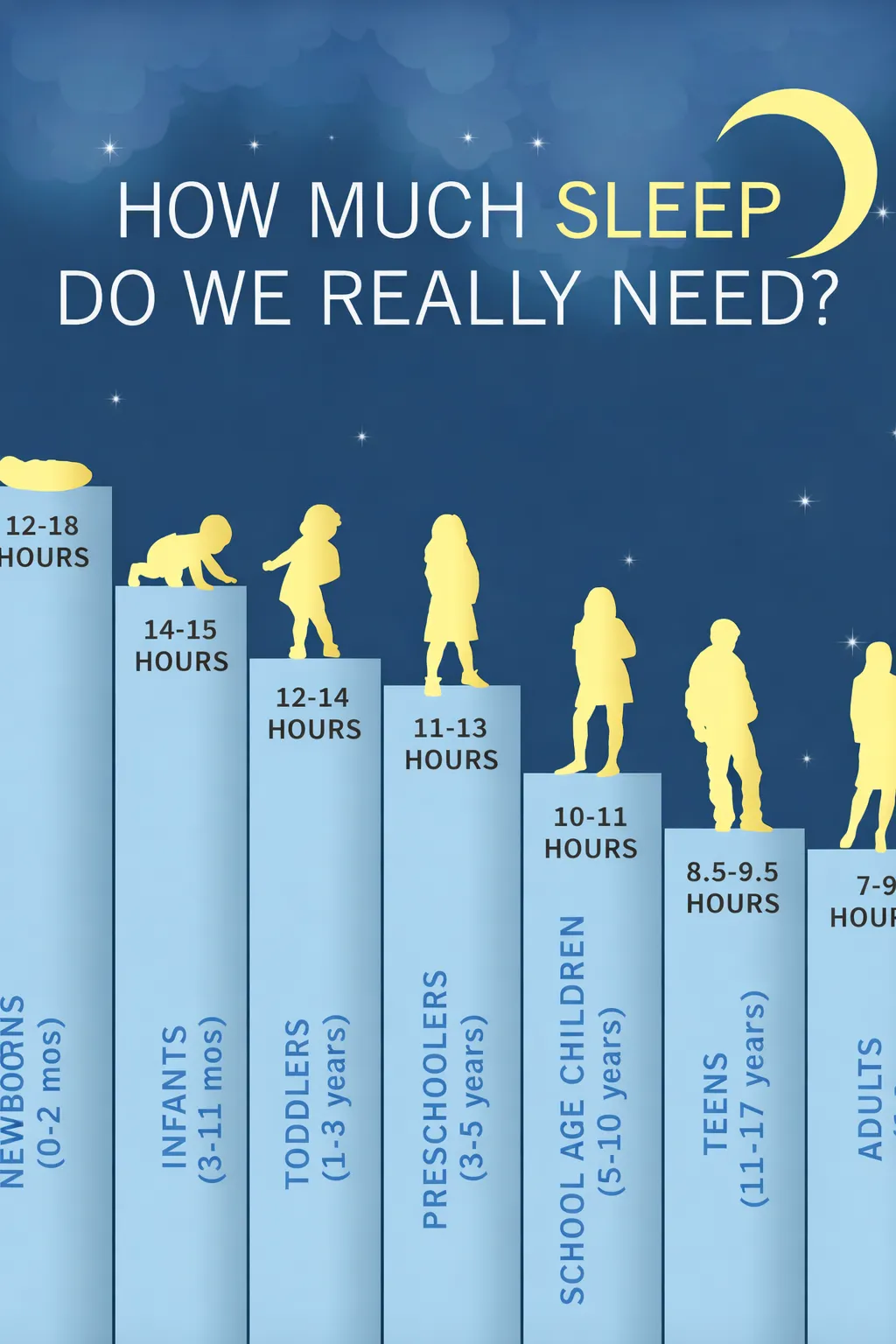
Here’s a general guideline for how much sleep different age groups need:
- Adults (18–65 years): 7–9 hours per night
- Older adults (65+ years): 7–8 hours per night
- Teenagers (12–18 years): 8–9 hours per night
- Children (7–12 years): 10–11 hours per night
- Young children (3–6 years): 10–12 hours per night
- Toddlers (1–3 years): 12–14 hours (including naps)
Keep in mind that individual needs may vary slightly, but consistently falling below these ranges can negatively impact your health.
Can You Get Too Much Sleep?
Yes—more sleep isn’t always better. Oversleeping, especially on weekends, can disrupt your body’s internal clock and make it harder to fall asleep during the week.
Excessive daytime sleepiness or constantly feeling tired—even after long sleep—may be a sign of underlying conditions like sleep apnea. If this happens frequently, it’s best to consult a healthcare professional.
Understanding the 4 Stages of Sleep
Sleep isn’t just one continuous state—it’s a cycle of different stages that your body moves through multiple times each night.
Stage 1 (NREM1): Light Sleep
This is the transition phase between wakefulness and sleep. You can wake up easily during this stage.
Stage 2 (NREM2): Deeper Light Sleep
Your body temperature drops, and your heart rate slows. You spend about 50% of your sleep time here.
Stage 3 (NREM3): Deep Sleep
Also known as slow-wave sleep, this stage is critical for physical recovery, tissue repair, and immune function.
Stage 4 (REM Sleep): Dream Stage
This is when most dreaming occurs. REM sleep plays a vital role in brain function, memory, and learning.
👉 A full sleep cycle lasts about 90 minutes, and ideally, you should complete 5–6 cycles per night to wake up feeling refreshed.
Signs You’re Not Getting Enough Sleep
Not sure if you’re sleep-deprived? Here are some common warning signs:
- Irritability and mood swings
- Daytime fatigue or sleepiness
- Difficulty concentrating
- Reduced ability to handle stress
Long-Term Effects of Poor Sleep
Consistently poor sleep can increase your risk of:
- Anxiety and depression
- High blood pressure
- Heart disease
- Diabetes
- Frequent infections
It can also impair memory, learning ability, and reaction time—raising the risk of accidents in daily life.
6 Proven Tips to Improve Your Sleep Quality
Improving your sleep doesn’t always require drastic changes. Small, consistent habits can make a big difference.
1. Stick to a Consistent Sleep Schedule
Go to bed and wake up at the same time every day—even on weekends—to regulate your body clock.
2. Reduce Screen Time Before Bed
Devices like phones and laptops emit blue light, which interferes with melatonin production. Try to avoid screens at least 1 hour before bedtime.
3. Limit Alcohol and Smoking
While alcohol may make you feel sleepy initially, it disrupts sleep quality. Nicotine, on the other hand, is a stimulant that keeps you awake.
4. Stop Watching the Clock
Constantly checking the time can increase anxiety and make it harder to fall asleep. Instead, try relaxation techniques like deep breathing or meditation.
5. Cut Back on Caffeine
Avoid caffeine at least 6–8 hours before bedtime, including coffee, tea, and even chocolate.
6. Create a Comfortable Sleep Environment
Keep your bedroom:
- Cool (ideal: 16–18°C)
- Dark (use blackout curtains if needed)
- Quiet and relaxing
Final Thoughts
Sleep is not a luxury—it’s a necessity. Getting the right amount of quality sleep each night is essential for your physical health, mental clarity, and overall quality of life.
By understanding your body’s sleep needs and building better habits, you can significantly improve how you feel every day. Start with small changes, stay consistent, and your body will thank you.