Emotional Spending: The Silent Enemy of Personal Finance
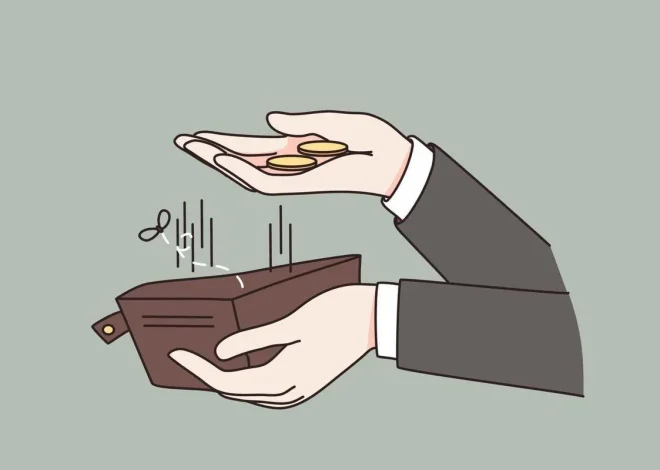
Emotional Spending– Let’s be honest—almost everyone has experienced it. You walk into a store or scroll online with no intention of buying anything, and suddenly something grabs your attention. A trendy gadget, a flash sale, or even a box of premium cookies can quickly end up in your cart. Before you realize it, your budget takes an unexpected hit.
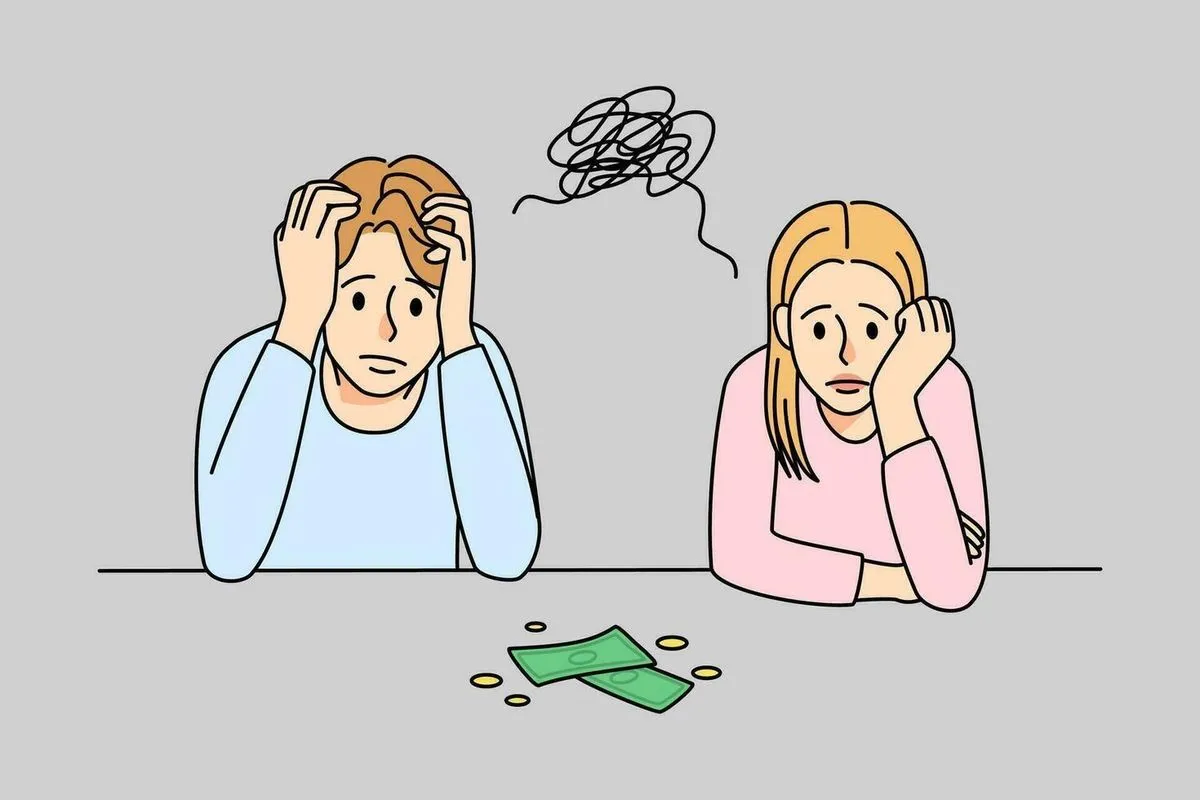
This is emotional spending, and it’s one of the most common yet overlooked threats to personal finance. The good news? With the right awareness and strategies, you can take back control.

What Is Emotional Spending?
Emotional spending refers to making purchases driven by feelings rather than actual needs. It often stems from a desire for instant gratification or as a way to cope with emotions like stress, boredom, or even loneliness.
While occasional impulse purchases may seem harmless, repeated behavior can lead to overspending, debt, and long-term financial instability.
Why Do We Spend Emotionally?
Understanding the root causes is the first step toward changing the habit. Here are some of the most common triggers:
1. Clever Marketing Tactics
Brands are highly skilled at influencing buying behavior through limited-time offers, eye-catching displays, and personalized ads that make products feel irresistible.
2. Emotional Triggers
Shopping can feel like a quick fix for negative emotions. Whether you’re stressed after work or bored at home, spending can provide temporary relief.
3. Social Comparison
Seeing others on social media with the latest trends can create pressure to “keep up,” even when it’s unnecessary.
4. Fear of Missing Out (FOMO)
Flash sales and limited-edition items can trigger urgency, pushing you to buy now and think later.
How to Stop Emotional Spending
Breaking free from emotional spending doesn’t happen overnight, but these proven strategies can help you build better habits:
1. Create and Stick to a Budget
A clear budget gives you a realistic view of your finances and sets boundaries for discretionary spending. When you know your limits, it becomes easier to say no.
2. Use the 24-Hour Rule
Before making a non-essential purchase, wait 24 hours. This pause helps you separate impulse from necessity—and often, the urge fades.
3. Practice Mindful Spending
Pay attention to your emotions when you feel the urge to shop. Ask yourself: Do I really need this, or am I just reacting to how I feel?
4. Reduce Temptations
Unsubscribe from promotional emails, mute shopping notifications, and limit exposure to ads or influencers that encourage unnecessary spending.
5. Plan Your Rewards
Instead of impulsive purchases, allocate a portion of your budget for planned treats. This way, you still enjoy spending—without guilt.
6. Replace Shopping with Healthier Habits
Find alternative ways to boost your mood, such as exercising, reading, or spending time outdoors. These activities provide longer-lasting satisfaction without costing money.
Building Better Financial Habits
Overcoming emotional spending is a journey, not a quick fix. It requires patience, consistency, and self-awareness. Celebrate small wins—like resisting an unnecessary purchase—and stay focused on your bigger financial goals.
The more control you gain over your spending habits, the more freedom you’ll have to save, invest, and build a secure future.
Take Control of Your Financial Future
Managing your money effectively isn’t about restriction—it’s about intention. By recognizing emotional spending patterns and applying smart strategies, you can protect your finances and make more confident decisions.
Start today. Your future self will thank you.
Additionally, building long-term awareness around your financial behavior can significantly improve your decision-making. Start by tracking your daily expenses to identify patterns you may not notice at first. Over time, you’ll recognize triggers and adjust accordingly. It’s also helpful to set clear financial goals—whether it’s saving for a vacation, an emergency fund, or an investment. When your goals are specific and meaningful, it becomes easier to resist short-term temptations. Remember, every small, mindful choice contributes to a stronger financial future and a healthier relationship with money.