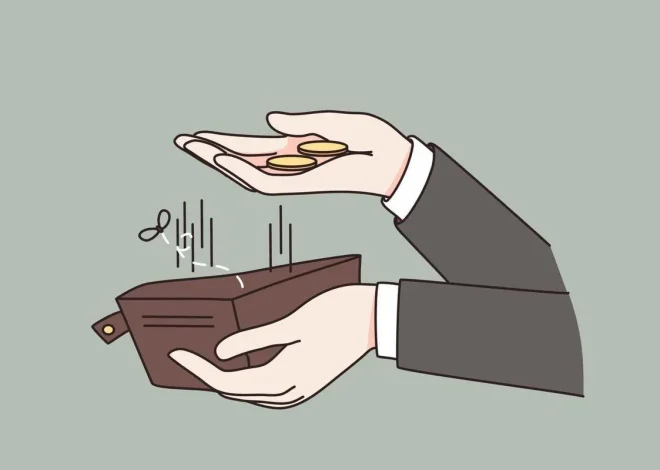

Signs You’re Managing Your Money Better Than You Think
You’re Managing Your Money Better Than You Think– Managing your money well isn’t about earning the biggest paycheck—it’s about how effectively you use what you already have. Many people assume financial success comes from high income, but the truth is simple: strong habits matter more than salary.
In fact, millions of households still struggle to cover everyday expenses. That’s why building smart financial habits is one of the most powerful ways to reduce stress, gain control, and create long-term stability.
If you’ve ever wondered whether you’re doing okay financially, here are seven clear signs you’re managing your money better than you think.
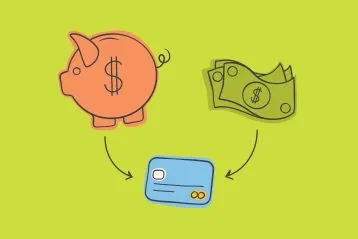
1. You Stick to a Budget
A budget is the foundation of financial control. If you regularly track your income and expenses, you already have a major advantage.
Budgeting helps you:
- Understand where your money goes
- Adjust spending when needed
- Stay aligned with your financial goals
Even a simple monthly plan can keep your finances balanced and prevent overspending.
2. You Plan Ahead for Big Expenses
Large expenses—like home repairs, travel, or buying a car—can easily disrupt your finances if you’re unprepared.
If you:
- Set aside money in advance
- Break large costs into smaller savings goals
…then you’re already practicing smart financial planning. This reduces reliance on credit and keeps your budget stable.
3. You Have an Emergency Fund
Unexpected expenses are a part of life. Whether it’s a medical bill or a broken appliance, having savings set aside is a strong sign of financial health.
An emergency fund:
- Acts as a financial safety net
- Reduces the need for debt
- Provides peace of mind
Even a small emergency fund puts you ahead of many people.
4. You Save for Future Goals
Do you regularly put money aside for long-term goals like retirement, education, or major life events?
If yes, you’re thinking beyond the present—which is key to financial success.
Consistent saving:
- Builds wealth over time
- Reduces future financial pressure
- Helps you stay prepared for life milestones
Remember, it’s not about how much you save—it’s about consistency.
5. You Track Your Spending
Knowing exactly where your money goes is a powerful habit.
When you track your expenses, you can:
- Identify unnecessary spending
- Spot patterns and habits
- Cut costs before they become problems
This awareness alone can dramatically improve your financial situation.
6. You Budget for Enjoyment
Good money management isn’t about restriction—it’s about balance.
If you intentionally set aside money for:
- Entertainment
- Hobbies
- Personal enjoyment
…you’re creating a sustainable financial lifestyle. This helps you avoid burnout and stay committed to your plan long term.

7. You Borrow Money Thoughtfully
Debt isn’t always bad—but how you use it matters.
If you:
- Think carefully before borrowing
- Prioritize needs over wants
- Consider long-term value
…you’re making responsible financial decisions.
Being mindful with credit helps prevent overwhelming debt and keeps your finances under control.
Benefits of Managing Your Money Well
Developing strong financial habits doesn’t just improve your bank balance—it transforms how you make decisions and plan your life.
✔ Clearer Decision-Making
When you understand your finances, it’s easier to decide whether to spend, save, or wait. This reduces impulse purchases.
✔ Avoiding Costly Mistakes
Smart money habits help you avoid unnecessary debt and poor spending decisions.
✔ Better Future Planning
With a clear financial picture, you can confidently prepare for long-term goals like retirement or education.
✔ Progress Toward Your Goals
Tracking your money allows you to measure progress and stay motivated as you move closer to your financial milestones.

Final Thoughts
You don’t need a perfect financial plan to be on the right track. If you recognize even a few of these signs, you’re already building a strong foundation.
Financial success isn’t about perfection—it’s about consistency, awareness, and making better decisions over time.
Start small, stay consistent, and you may realize you’re doing far better than you think.