
The Difference Between “Having Money” and “Keeping Money”
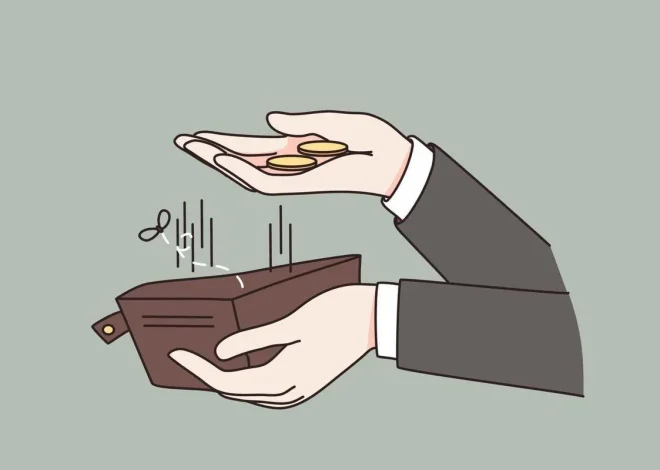
“Having Money” and “Keeping Money– Many people believe that making more money is the ultimate solution to financial stress. But in reality, earning money and keeping money are two completely different skills. One is about access — how you generate income. The other is about capacity — how well you can hold onto it.
And here’s the truth: most people are taught how to chase money, but not how to keep it.

Why You Can Earn More — But Still Feel Broke
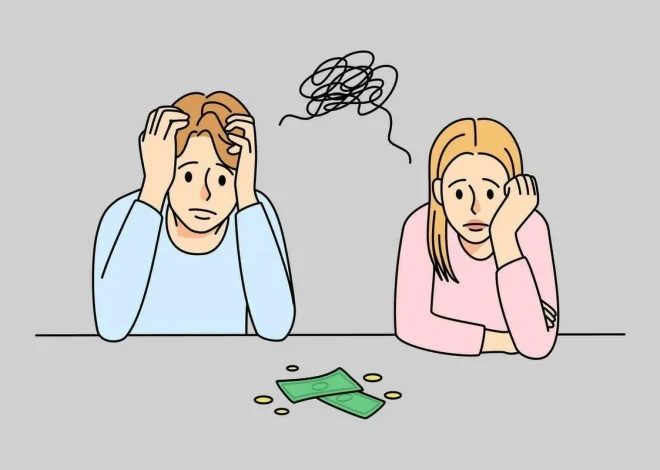
Have you ever noticed that even when your income increases, your financial stress doesn’t disappear?
You earn more… yet somehow, it still feels like not enough.
That’s because your financial reality isn’t shaped by income alone. It’s influenced by deeper internal factors such as:
- Your identity and beliefs about money
- Your sense of safety and stability
- Your emotional regulation
- Your personal boundaries
- Your level of self-trust
If you grew up in a scarcity-driven environment, your mind and body may be conditioned to prioritize short-term relief over long-term security. This means when extra money comes in, your instinct might be to spend it quickly — not because you’re irresponsible, but because your system is trying to feel safe.
Signs You’re Struggling to Keep Money
Recognizing the problem is the first step to fixing it. Here are some common signs that your “money retention capacity” needs work:
- Your money disappears quickly, even when your income grows
- You feel guilt or anxiety about having more than others
- You sabotage yourself after financial wins (bonuses, raises, etc.)
- You avoid checking your bank account or tracking expenses
- You tell yourself “I’m bad with money” — even though you want to improve
These patterns often go unnoticed, but they quietly prevent wealth from building.
The Psychology Behind Money Habits
Your relationship with money is not random — it’s learned.
Nature vs. Nurture
Financial behavior is shaped by both environment and experience.
- People raised in stable, resource-rich environments often develop confidence, patience, and long-term thinking with money
- Those raised in financial stress or uncertainty may develop habits focused on survival — quick decisions, risk aversion, or impulsive spending
Research shows that chronic financial stress in childhood can impact brain development, affecting:
- Decision-making ability
- Impulse control
- Emotional regulation
This explains why some people struggle to manage money — even if they understand what they should do.
The Good News: You Can Rewire Your Money Mindset
Thanks to neuroplasticity — your brain’s ability to adapt and change — your financial habits are not fixed.
You can build a new relationship with money, one that supports both earning and keeping.
But it starts with awareness and self-compassion.
You’re not bad with money.
You’ve simply been conditioned — and conditioning can be changed.

How to Strengthen Your Ability to Keep Money
Building financial stability isn’t just about budgeting. It’s about creating safety and control around money.
Here are practical ways to start:
1. Normalize Having Extra Money
Let some money sit untouched. Get comfortable seeing a surplus without feeling the urge to spend it.
2. Check Your Finances Without Fear
Make it a habit to review your balances regularly — not with anxiety, but with curiosity and control.
3. Create Friction Before Spending
Use systems that slow you down:
- Wait 24 hours before non-essential purchases
- Remove saved payment methods
- Set spending limits
4. Track Emotional Patterns
Pay attention to how you feel when money stays in your account — not just when you receive it.
5. Do the Inner Work
Financial growth isn’t only external. Work on:
- Self-worth
- Emotional regulation
- Your beliefs about success and security

do-the-inner-work

Final Thoughts: Wealth Is About Holding, Not Just Earning
Money tends to stay where it feels respected and managed with intention.
True financial success isn’t just about how much you make — it’s about how much you can keep, grow, and feel safe holding.
Because at the end of the day:
Having money can be temporary.
Keeping money is what builds wealth.