Why Do You Know You Should Save Money But Still Can’t Do It?
You Should Save Money But Still Can’t Do It– Saving money sounds simple in theory—but in reality, many people struggle to turn intention into action. You know it’s important. You’ve heard the advice countless times. Yet somehow, at the end of each month, there’s little (or nothing) left to save.
So what’s really going on? And more importantly—how can you fix it?

Why Saving Money Feels So Hard
At its core, saving isn’t just a financial challenge—it’s a psychological one.
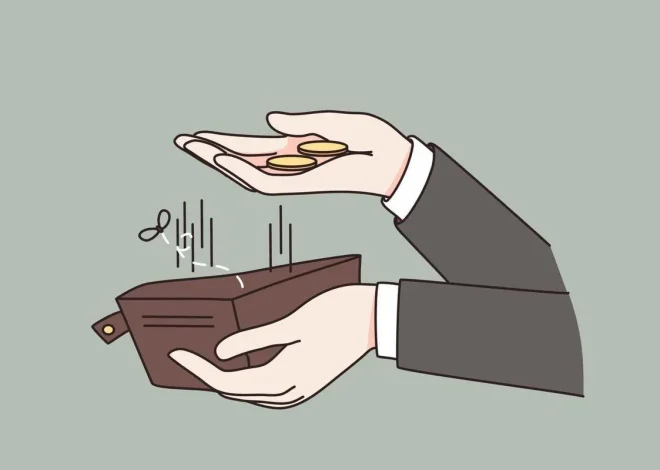
When you don’t have savings, every financial decision becomes more stressful. Living without a buffer is like running on zero sleep: your judgment suffers, your stress increases, and you’re more likely to make impulsive choices.
Research consistently shows that people without savings are more likely to:
- Worry about money constantly
- Spend impulsively
- Struggle with long-term planning
- Fall into debt more easily
In short, lack of savings creates a cycle that makes saving even harder.
Why Saving Money Actually Matters
Building a savings habit isn’t just about putting money aside—it’s about creating freedom and stability in your life.
With consistent savings, you can:
- Build an emergency fund
- Invest for the future
- Pay off debt faster
- Afford insurance and protection
- Work toward major goals like buying a home
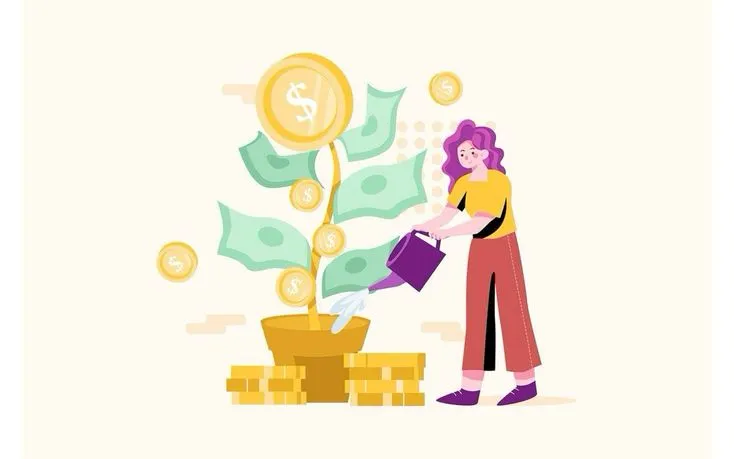
Think of your money like seeds. You can spend everything today—but if you set some aside and let it grow, you’ll have much more in the future.
The Biggest Mistake: Saving What’s Left
Most people follow this pattern:
Income → Expenses → Try to Save What’s Left
The problem?
There’s usually nothing left.
Between bills, daily spending, and unexpected costs, savings become an afterthought. That’s why even people with decent incomes often fail to build wealth.
The Solution: Pay Yourself First
A powerful shift in mindset can change everything:
Income → Savings → Expenses
This is called “paying yourself first.”
Instead of saving what’s left over, you save before spending anything else.
How it works:
- As soon as you receive your income, transfer a portion into savings
- Treat savings like a non-negotiable expense
- Adjust your lifestyle to what remains
Even starting small makes a difference. The key is consistency.
Create a Simple Savings Plan
You don’t need a complicated system—you just need a clear plan.
Start by understanding your cash flow:
- How much do you earn?
- What are your fixed expenses?
- Where is your money going each month?
From there:
- Identify unnecessary spending (unused subscriptions, overpriced services, etc.)
- Keep expenses that truly bring value to your life
- Redirect the extra toward savings
This is essentially what a budget is: a plan that directs your money with purpose.
Make Saving Automatic
If you rely on willpower alone, saving will always feel difficult.
Instead, automate it.
Set up an automatic transfer from your main account to your savings account every time you get paid. It takes just a few minutes—but removes the need for constant decision-making.
Why automation works:
- You don’t forget to save
- You don’t have to think about it
- You adapt your spending to what’s left

make-saving-automatic
Keep Your Savings Separate
Out of sight, out of mind.
Keeping your savings in a separate account helps reduce the temptation to spend it. For even better results:
- Use a different bank account
- Avoid checking it too frequently
- Choose accounts with good interest rates and low fees
Some accounts may offer higher returns but limit withdrawals—which can actually help you stay disciplined.
Build the Habit, Not Just the Amount
You don’t need to start big. Even small amounts saved regularly can grow significantly over time.
What matters most is building the habit:
- Start with what you can
- Stay consistent
- Increase gradually as your income grows
Saving money isn’t about perfection—it’s about progress.
Final Thoughts
If you’ve struggled to save money, it’s not because you lack discipline—it’s because your system isn’t set up for success.
By:
- Paying yourself first
- Creating a clear plan
- Automating your savings
- Keeping it separate
…you turn saving from a challenge into a natural part of your financial life.
Start small, stay consistent, and let time do the heavy lifting.