One Month of Uncontrolled Spending: What’s the Worst Thing That Could Happen?
One Month of Uncontrolled Spending– Have you ever told yourself, “It’s just one month—I deserve it”? While occasional indulgence is normal, a full month of uncontrolled spending can quietly spiral into serious financial consequences. What starts as a few impulsive purchases can quickly snowball into long-term damage—not just to your wallet, but also to your mental well-being and future goals.
In this article, we’ll break down the real risks of overspending for just 30 days—and how you can recover before it’s too late.
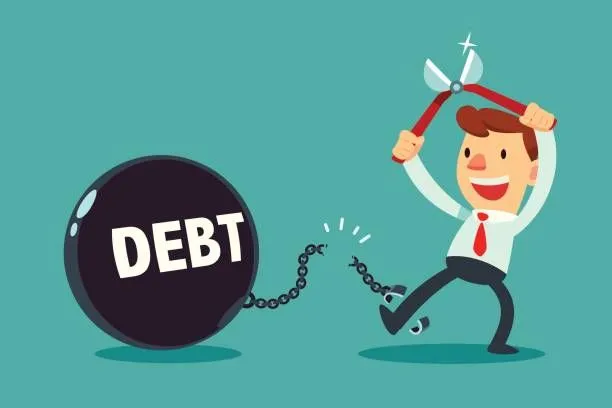
Why One Month Can Change Your Financial Direction
Many people underestimate how quickly finances can deteriorate. A single month of unchecked spending can disrupt your entire financial system, especially if it involves credit cards, savings withdrawals, or lifestyle inflation.
The danger lies in lack of awareness. Small, frequent purchases—coffee runs, online deals, impulse buys—add up faster than expected. Without tracking, you may not realize the damage until your bank balance drops or your credit card bill arrives.
The Worst Outcomes of One Month of Overspending
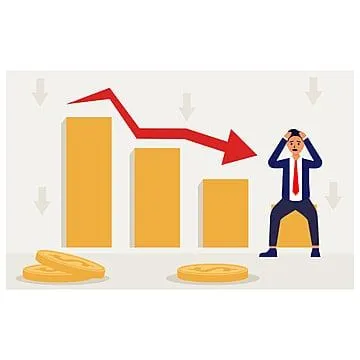
1. Falling Into a Debt Cycle
Overspending often leads to increased reliance on credit cards. Once balances start accumulating, high-interest rates make it difficult to pay off what you owe. This creates a cycle where you’re not just spending money—you’re paying extra for past decisions.
2. Draining Your Savings
Your emergency fund exists for unexpected situations—not shopping splurges. When overspending forces you to dip into savings, you leave yourself vulnerable to real emergencies like medical bills or urgent repairs.
3. Damage to Your Credit Score
High credit utilization (using a large portion of your credit limit) can significantly reduce your credit score. This affects your ability to:
- Get approved for loans
- Secure better interest rates
- Access financial opportunities in the future
4. Mental and Emotional Stress
Financial problems rarely stay on paper—they affect your daily life. Overspending can lead to:
- Anxiety and guilt
- Sleep disturbances
- Relationship conflicts
Money stress is one of the leading causes of emotional pressure, and even one bad month can trigger it.
5. Delayed Life Goals
Every dollar spent impulsively is a dollar not invested in your future. Whether it’s:
- Buying a home
- Starting a business
- Saving for retirement
Overspending delays your progress and forces you to start over financially.
6. Formation of Bad Habits
Perhaps the most dangerous outcome is behavioral. One month of indulgence can normalize poor financial habits, making overspending feel acceptable. Over time, this turns a temporary lapse into a long-term lifestyle problem.
How to Recover From Overspending
If you’ve already had a month of uncontrolled spending, don’t panic—recovery is possible with quick and decisive action.
1. Return or Sell Unnecessary Items
Go through your recent purchases and identify what you don’t truly need. Return items where possible or sell them to recover part of your money.
2. Rebuild Your Emergency Fund
If you’ve used your savings, prioritize replenishing them. Even small, consistent contributions can restore your financial safety net over time.
3. Create a Strict Budget Plan
Reassess your income and expenses. Set clear spending limits and categorize essentials vs. non-essentials. A simple budgeting rule like 50/30/20 can help regain control.
4. Track Every Expense
Awareness is your strongest defense. Use apps, spreadsheets, or even a notebook to monitor where your money goes daily.
5. Cut Back on Non-Essentials
Temporarily reduce discretionary spending—subscriptions, dining out, or shopping—until your finances stabilize.
Final Thoughts
One month of uncontrolled spending may seem harmless, but its consequences can last far longer than 30 days. From debt accumulation to emotional stress and delayed life goals, the impact is real—and often underestimated.
The good news? Financial mistakes are reversible—if you act quickly. By taking control of your spending habits today, you can prevent a short-term slip from becoming a long-term setback.