What would happen if you stopped spending money for 30 days?
if you stopped spending money for 30 days- Most people struggle with spending too much. But what if your problem is the opposite—saving too much and rarely enjoying your money?
A 30-day no-spend challenge flips your financial habits upside down. It forces you to stop unnecessary spending and rethink your relationship with money. But the real question is:
Will it actually make your life better—or worse?
What Happens When You Stop Spending Money?
1. You Become Hyper-Aware of Your Habits
The first few days feel uncomfortable. You suddenly notice how often you spend on things like:
- Coffee runs
- Food delivery
- Impulse online shopping
Without these привычки, you start asking:
“Do I really need this?”
This awareness is the first step toward financial control.
2. Your Savings Increase—Fast
Even a short break from spending can have a noticeable impact.
When you cut out non-essential expenses for 30 days:
- Your bank balance grows quicker than expected
- You reduce financial stress
- You build momentum for long-term saving
But here’s the catch: saving alone doesn’t guarantee happiness.
3. You May Feel Restricted (and Even Frustrated)
Living without spending can feel limiting:
- No social outings
- No small rewards
- No spontaneous fun
This is where many people quit early. Humans aren’t designed to live in constant restriction.
4. You Redefine What Truly Matters
After a couple of weeks, something interesting happens:
You begin to realize what actually brings you joy.
Is it:
- Experiences with friends?
- Travel and adventure?
- Comfort and convenience?
Or is it simply seeing your bank account grow?
This clarity is powerful.
The Hidden Problem: Over-Saving
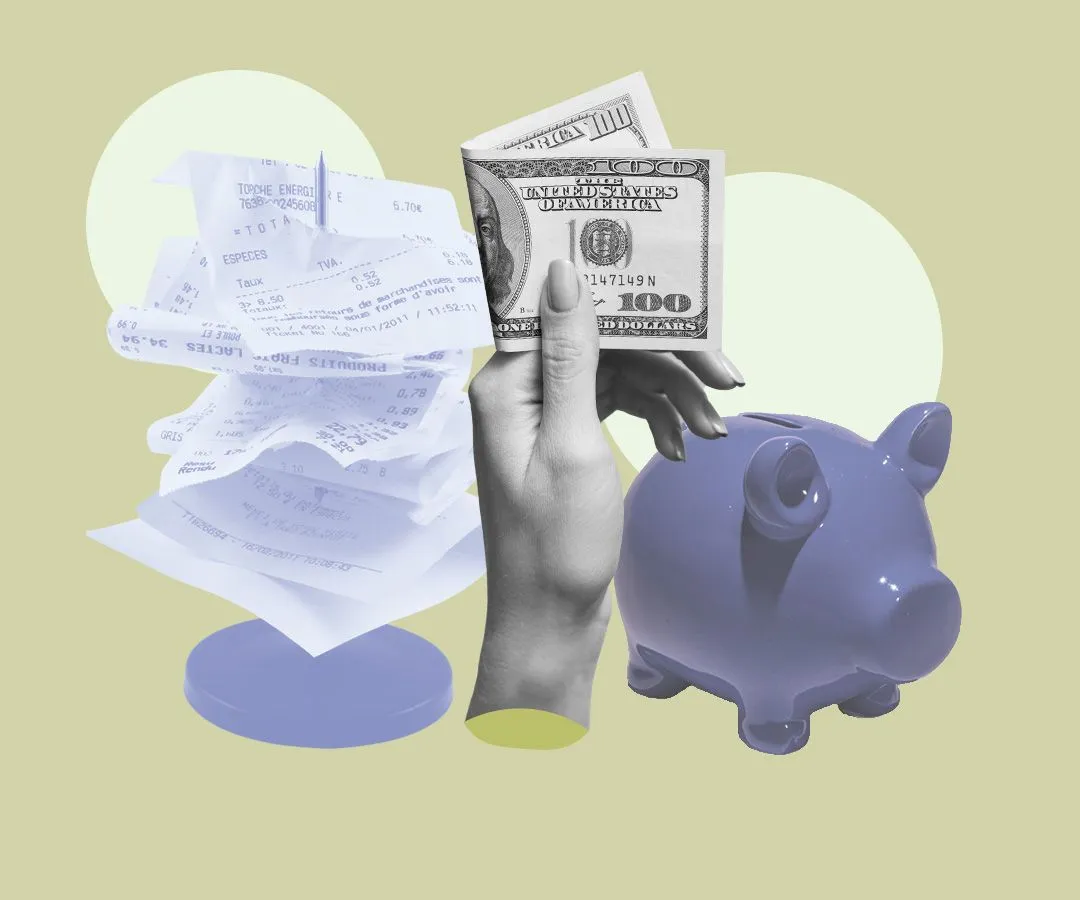
While overspending is common, over-saving is a real issue too.
Some people become so focused on:
- Maximizing investments
- Avoiding unnecessary expenses
- Preparing for the future
…that they forget to enjoy the present.
This mindset can lead to:
- Missed life experiences
- Constant financial anxiety
- Difficulty spending even when you can afford it

over-saving
The Key Lesson: Intentional Money Management
The real value of a no-spend challenge isn’t just saving money—it’s learning intentional behavior.
Intentional Saving
Instead of saving blindly, define:
- How much you need
- When you need it
- What it’s for (house, travel, retirement, emergency fund)
This helps you avoid the trap of “saving endlessly without purpose.”
Intentional Spending
Spending isn’t bad—mindless spending is.
Ask yourself:
- What purchases made me happiest in the last 5 years?
- What do I truly value?
For many people, the answer is:
- Experiences over possessions
- Memories over material goods
When you spend intentionally, every dollar has meaning.
Real-Life Examples of Intentional Spending
Different people prioritize different things:
- One person sacrifices daily luxuries to pursue a dream career
- Another drives an old car but spends thousands on travel
- Someone else chooses a smaller home to afford their passion
There’s no “perfect” way—only what aligns with your values.
So, Should You Try a 30-Day No-Spend Challenge?
Yes—but not as a permanent lifestyle.
Instead, use it as a reset to:
- Break bad spending habits
- Gain clarity on your finances
- Rebuild a healthier relationship with money

should-you-try-a-30-day-no-spend-challenge
Final Thoughts: Balance Is Everything
The biggest takeaway is simple:
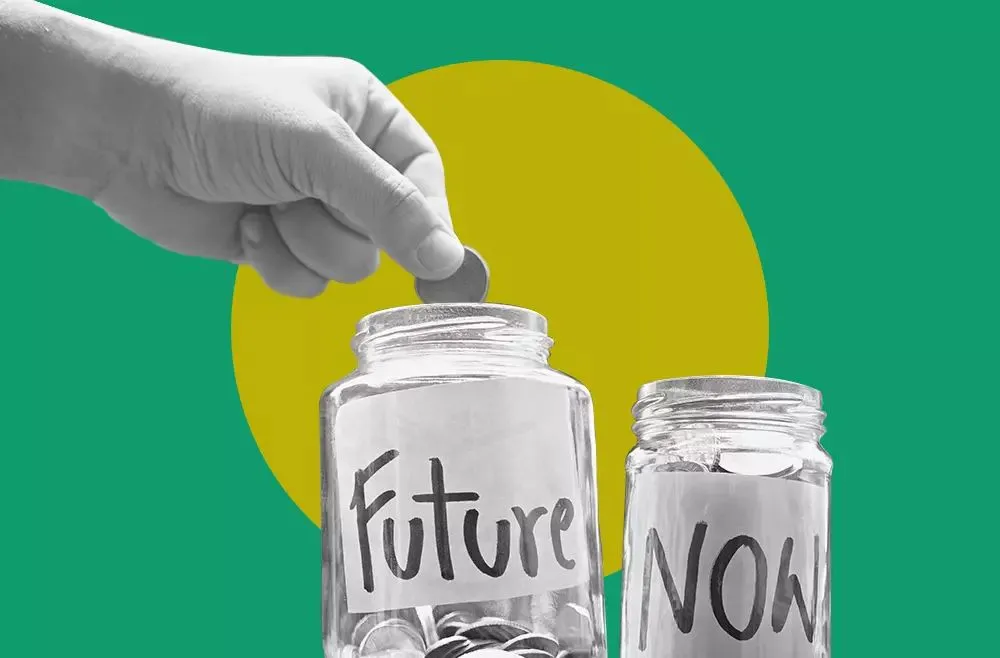
Save for the future—but don’t forget to live today.
A 30-day spending freeze can teach discipline, but life isn’t meant to be lived on pause.
True financial success comes from balance:
- Saving with purpose
- Spending with intention
- Enjoying both the present and the future
In the end, a 30-day no-spend challenge is less about restriction and more about awareness. It helps you pause, reflect, and reset your financial habits in a meaningful way. You may realize that many expenses were driven by routine rather than real need. More importantly, you’ll gain confidence in your ability to control your money instead of letting it control you. Whether you continue strict budgeting or return to normal spending, the lessons remain valuable. Over time, this mindset shift can lead to smarter decisions, reduced stress, and a more balanced financial life that supports both your goals and your happiness.