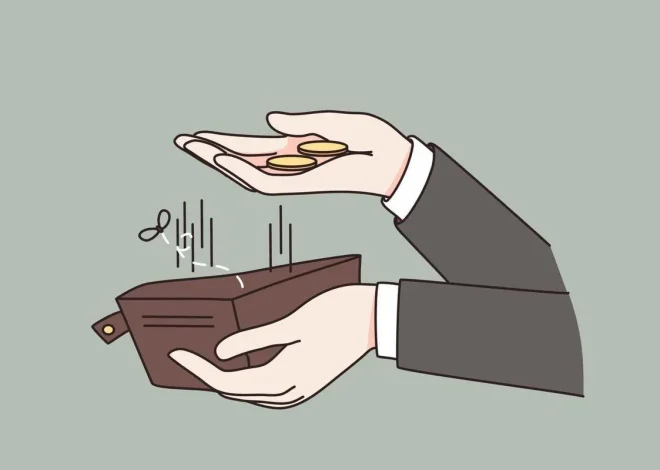

How Important Is Cash Flow Compared to Savings and Profit?
Important Is Cash Flow– Many business owners assume that being profitable means being financially secure. In reality, that’s not always true. A company can report strong profits and still run out of cash—sometimes unexpectedly.
So what really matters more: cash flow or profit? Understanding the difference could be the key to keeping your business alive and growing.
What Is Cash Flow?

Cash flow refers to the movement of money in and out of your business over a specific period.
Formula:
Cash Flow = Cash Inflows – Cash Outflows
Example:
If your business receives $5,000 from customers and spends $3,000 on expenses in a month, your cash flow is:
$2,000 (positive cash flow)
Cash Inflows include:
- Customer payments
- Loan or investment funds
- Interest earned from savings
- Selling assets (e.g., equipment or property)
Cash Outflows include:
- Operating expenses (rent, utilities, salaries)
- Inventory purchases
- Loan repayments
- Taxes
- Equipment or asset purchases
👉 Positive cash flow means more money is coming in than going out.
👉 Negative cash flow means the opposite—and it can be dangerous if prolonged.
What Is Profit?
Profit measures how much your business earns after subtracting expenses from revenue.
Formula:
Profit = Revenue – Costs & Expenses
However, profit is more complex than it looks.
Key things to understand about profit:
1. Not all spending is counted immediately
If you buy inventory, you only record it as an expense when it’s sold, not when purchased.
2. Non-cash expenses affect profit
Items like depreciation reduce profit even though no actual cash leaves your account.
3. Some costs are spread over time
Annual software subscriptions or licenses are recorded monthly—not all at once.
4. Taxes and interest matter
After calculating operating profit, you still need to subtract:
- Taxes
- Loan interest
This gives you your net profit.
Cash Flow vs Profit: What’s the Real Difference?
At first glance, they seem similar—but two key differences set them apart:
1. Timing
Profit is recorded when:
- A sale is made
- An expense is incurred
Cash flow is recorded when:
- Money is actually received
- Money is actually paid
👉 Example:
You make a sale today but get paid in 30 days:
- Profit increases today
- Cash flow increases later
This delay can create serious financial gaps.
2. Source of Money
Profit only includes:
- Revenue from sales
- Business expenses
Cash flow includes:
- Loans and investments
- Buying or selling assets
- Loan repayments (principal)
👉 In short:
Cash flow shows reality. Profit shows performance.
Real-World Example: Profitable but Broke
Let’s say:
- You start with $9,000 in the bank
- You make a $10,000 sale (but haven’t been paid yet)
- You pay $8,000 in expenses
Profit:
$10,000 – $8,000 = $2,000 profit
Cash position:
$9,000 – $8,000 = $1,000 remaining
Cash flow:
$0 received – $8,000 paid = –$8,000 (negative cash flow)
Even though you’re profitable, your business is running low on cash—and that’s risky.
Why Cash Flow Matters More Than Profit
Profit is important—it proves your business model works.
But cash flow is what keeps your business alive.
If you run out of cash:
- You can’t pay employees
- You can’t cover bills
- You may go out of business
👉 In fact, poor cash flow is one of the top reasons small businesses fail.
How Fast Growth Can Hurt Cash Flow

Rapid growth sounds great—but it can drain your cash quickly.
Here’s why:
- You receive large orders
- You must pay suppliers upfront
- Customers pay later
This creates a cash gap, where money goes out before it comes in.
Even successful companies have struggled with this in their early stages due to rapid expansion.
The Solution: Cash Flow Forecasting
To stay in control, businesses need a cash flow forecast.
This helps you:
- Predict incoming cash
- Estimate upcoming expenses
- Avoid cash shortages
- Plan smarter financial decisions
Benefits:
- Better budgeting
- Improved financial stability
- More confident growth strategies
Key Takeaways
- Profit and cash flow are not the same
- Profit shows long-term success
- Cash flow shows short-term survival
- Timing differences can create financial gaps
- A profitable business can still fail without cash
👉 Bottom line:
Cash flow is the lifeblood of your business. Without it, even the most profitable company can collapse.
Final Thoughts
If you want a financially strong business, don’t just focus on profit—monitor your cash closely.
Understanding where your money is, when it arrives, and how it’s spent will give you the control needed to grow sustainably and avoid unexpected financial trouble.