
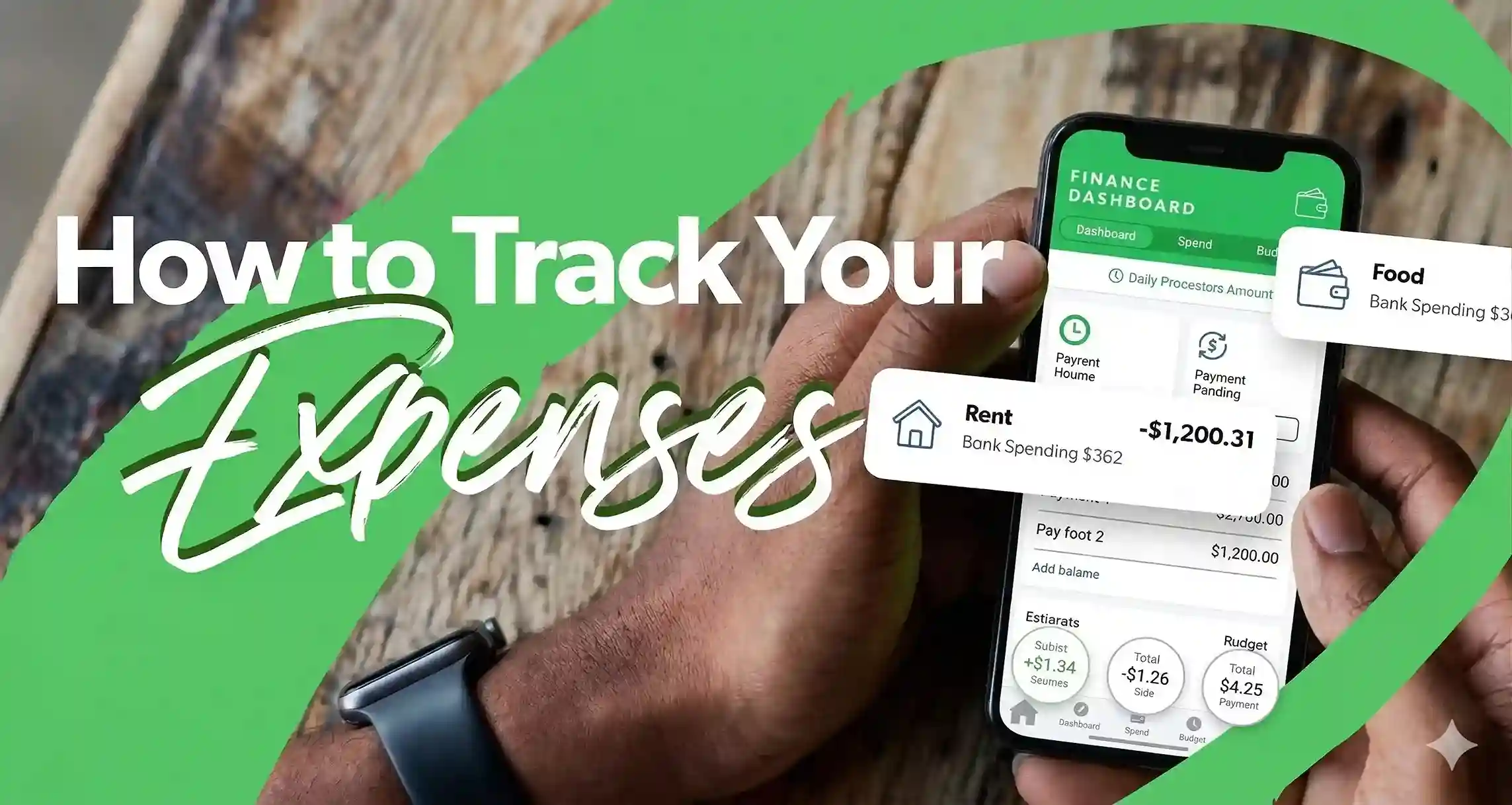
Simple Yet Effective Ways to Track Expenses for Busy People
Track Expenses for Busy People- Managing your money doesn’t have to be complicated—even if you’re constantly on the go. Whether your goal is to buy a dream home, travel more, or build an emergency fund, learning how to track your expenses effectively is the foundation of financial success.
In this guide, you’ll discover simple, practical, and time-saving ways to monitor your spending, stay within budget, and grow your savings—without feeling overwhelmed.
Why Expense Tracking Matters
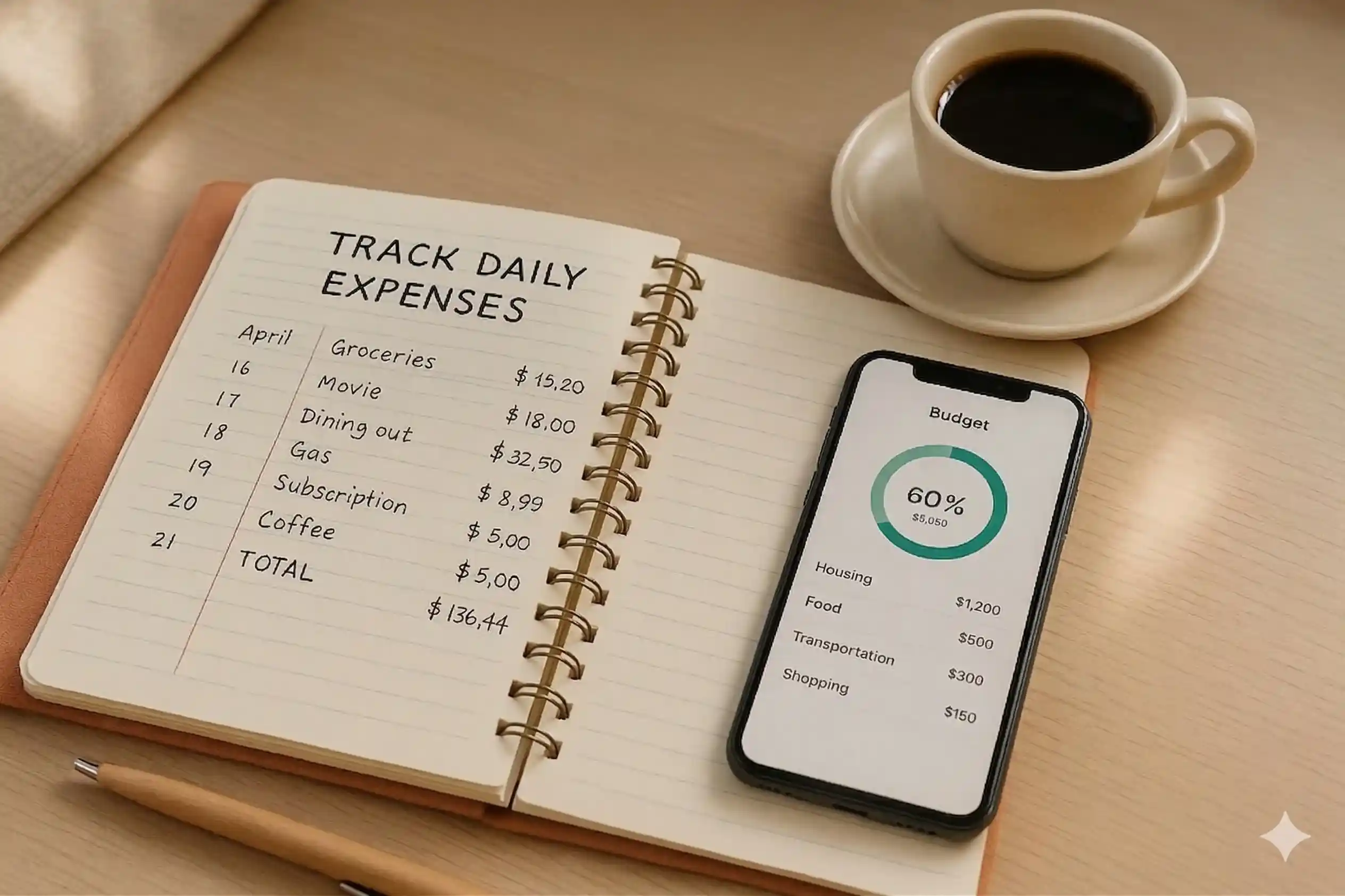
Expense tracking is more than just writing down numbers—it gives you full control over your financial life. When you understand where your money goes, you can make smarter decisions, avoid overspending, and consistently move closer to your goals.
Step 1: Calculate Your Total Monthly Income
Start by identifying exactly how much money you earn each month. Include all sources of income such as:
- Full-time or part-time salary
- Freelance or side hustle income
- Business earnings
- Investment returns
- Occasional income (gifts, bonuses, etc.)
Being honest and thorough at this stage ensures your financial plan is accurate and realistic.
Step 2: Track and Calculate Your Expenses
Once you know your income, the next step is understanding how much you spend. Your monthly expenses typically include:
- Rent or mortgage
- Utilities (electricity, water, internet)
- Food and groceries
- Transportation
- Insurance
- Subscriptions
- Entertainment and lifestyle costs
- Miscellaneous expenses
If you use digital payments or online banking, reviewing your transaction history makes tracking easier. If you rely on cash, keep receipts or estimate your spending as closely as possible.
👉 Pro Tip: Your total expenses should never exceed your income. If they do, it’s time to reassess your spending habits.
Step 3: Categorize Your Expenses
Breaking your expenses into categories helps you clearly see where your money is going. Keep it simple:
- Essentials: Housing, groceries, utilities, healthcare
- Non-essentials: Dining out, shopping, entertainment
- Debt: Loans, credit cards, mortgage payments
- Savings: Emergency fund, investments, long-term goals
This step makes it easier to identify areas where you can cut back—especially non-essential spending.
Step 4: Automate Your Expense Tracking
If you’re busy, automation is your best friend. Instead of tracking everything manually, you can:
- Use budgeting apps
- Set up automatic expense tracking through your bank
- Create a simple spreadsheet using Microsoft Excel
Automation saves time, reduces errors, and helps you stay consistent without extra effort.
Step 5: Review Your Budget Regularly
Tracking expenses isn’t a one-time task—it requires regular check-ins. Set aside time:
- Once a week, or
- Every two weeks
During your review, compare your actual spending with your planned budget. This helps you spot trends, adjust quickly, and stay in control of your finances.
Step 6: Adjust Your Spending Habits
Based on your analysis, make necessary changes:
- Cut down on unnecessary expenses
- Set spending limits
- Prioritize essential needs
- Avoid impulse purchases
Consistency is key. Small adjustments over time can lead to significant savings.
What If Your Expenses Exceed Your Income?
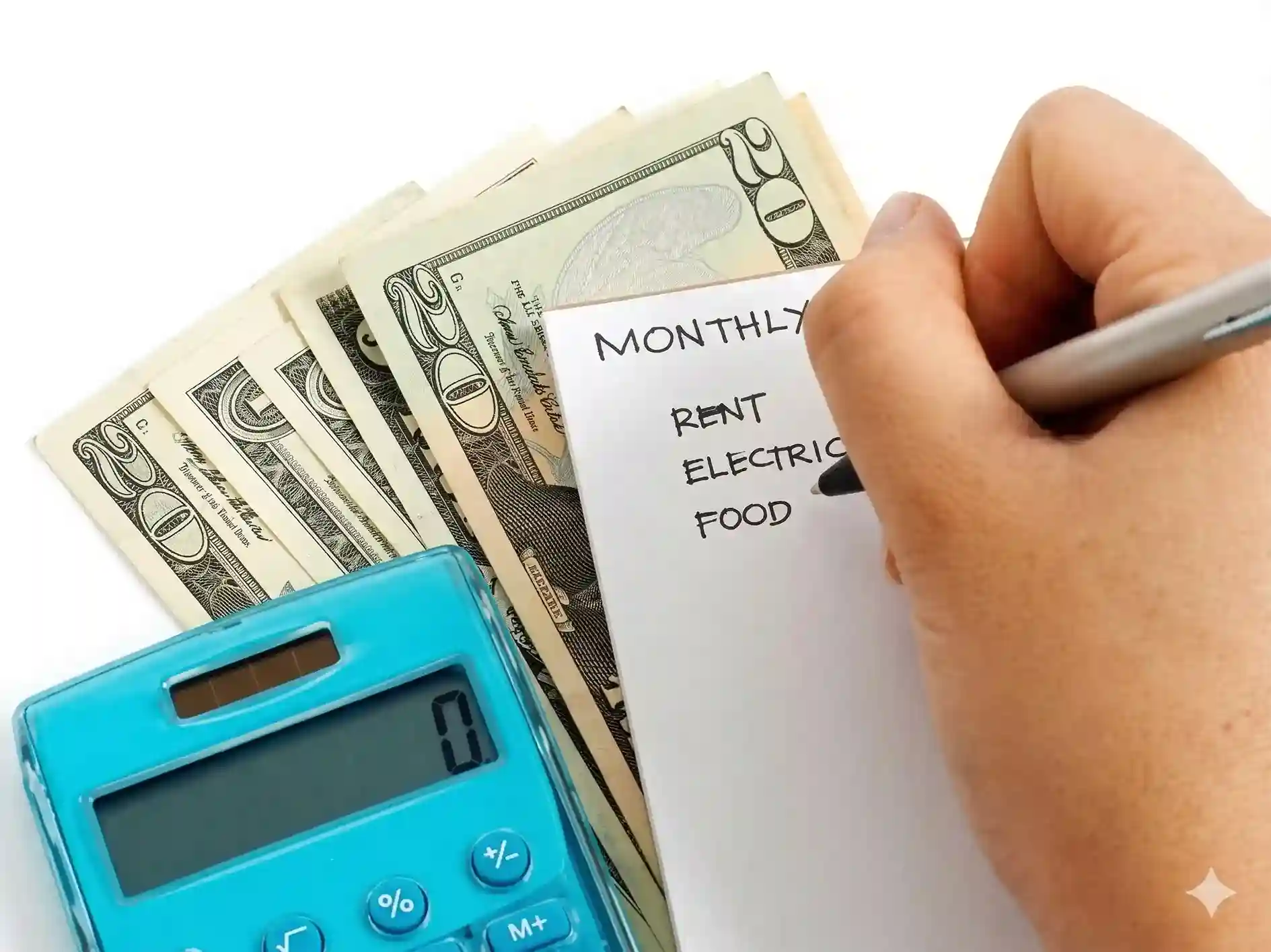
If you find yourself spending more than you earn, don’t panic. Here’s what you can do:
1. Identify the Problem
Look at your categories to see where most of your money is going.
2. Reduce Non-Essential Spending
Cut back on things like dining out, subscriptions, or impulse shopping.
3. Increase Your Income
If cutting costs isn’t enough, consider:
- Asking for a raise
- Taking on freelance work
- Starting a side business
Final Thoughts
Tracking your expenses doesn’t have to be time-consuming or stressful. With the right system in place, even the busiest people can take control of their finances.
By understanding your income, monitoring your spending, and making consistent adjustments, you’ll be able to spend smarter, save more, and achieve your financial goals faster.
Time-Saving Expense Tracking Methods for Busy People
If you barely have time to breathe between work and personal responsibilities, these quick methods can help you stay on top of your finances without adding stress:
1. The 5-Minute Daily Check
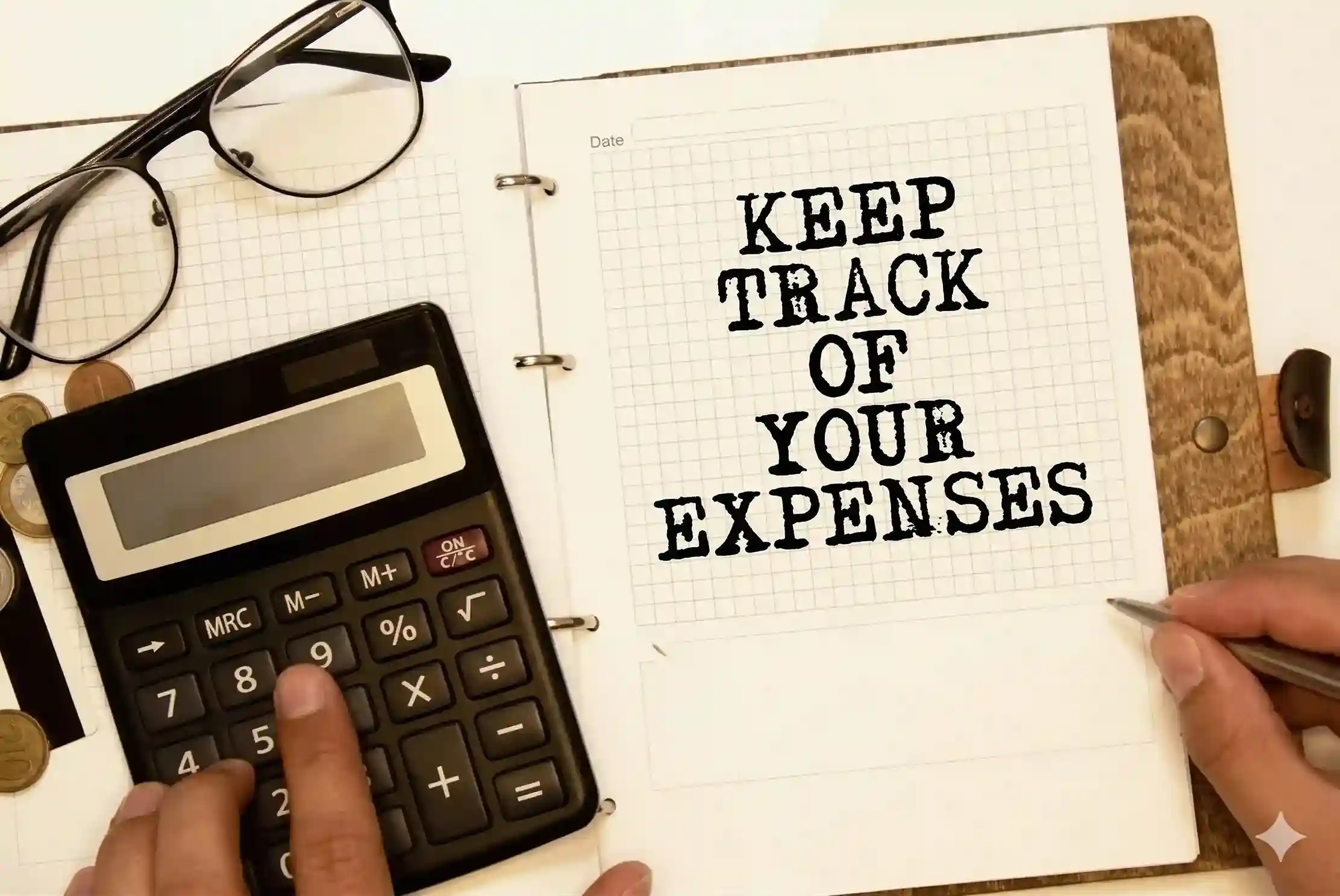
Spend just 5 minutes at the end of each day reviewing your transactions. This prevents expenses from piling up and becoming overwhelming.
2. The Weekly Money Review Ritual
Choose a fixed time (e.g., Sunday evening) to quickly review:
- Total spending
- Remaining budget
- Upcoming expenses
This habit builds financial awareness without consuming too much time.
3. Use the “Round-Up” Saving Method
Many banking apps allow you to round up your purchases and automatically save the difference. It’s a painless way to grow your savings over time.
Common Expense Tracking Mistakes to Avoid
Even with the best intentions, many people struggle because of simple mistakes. Avoid these to stay on track:
❌ Being Too Detailed
Tracking every tiny expense can become exhausting. Keep it simple with broad categories.
❌ Ignoring Small Purchases
Daily coffee or snacks may seem insignificant, but they add up quickly over time.
❌ Not Tracking Cash Spending
Cash is harder to track, which often leads to underestimating your expenses.
❌ Giving Up Too Soon
Consistency matters more than perfection. Missing a few days is okay—just get back on track.
Best Tools to Simplify Expense Tracking
Technology can make managing your finances much easier. Here are some popular tools:
- Budgeting apps (like Mint, YNAB)
- Banking apps with built-in tracking features
- Spreadsheets using Microsoft Excel
- Notes apps for quick daily logging
👉 Choose a tool that fits your lifestyle—the simpler it is, the more likely you’ll stick with it.
Smart Strategies to Boost Your Savings Faster
Tracking expenses is just the beginning. To accelerate your financial growth, apply these strategies:
1. Follow the 50/30/20 Rule
- 50% for needs
- 30% for wants
- 20% for savings
This framework keeps your finances balanced and sustainable.
2. Set Clear Financial Goals
Instead of “saving money,” define specific goals like:
- Save $1,000 emergency fund
- Pay off debt in 6 months
- Travel fund for next year
Clear goals increase motivation and discipline.
3. Pay Yourself First
Treat savings like a fixed expense. Transfer money into your savings account immediately after receiving your income.
How Expense Tracking Improves Your Life
Beyond money, expense tracking brings several long-term benefits:
- Reduces financial stress
- Improves decision-making
- Builds disciplined habits
- Creates financial security
- Helps you achieve long-term goals faster
When you’re in control of your money, you’re in control of your future.
Conclusion: Make Expense Tracking a Habit, Not a Burden
You don’t need complex systems or hours of work to manage your finances effectively. With simple methods, smart tools, and consistent habits, even the busiest people can take control of their spending.
Start small, stay consistent, and remember: every dollar you track is a step closer to financial freedom.